Introduction
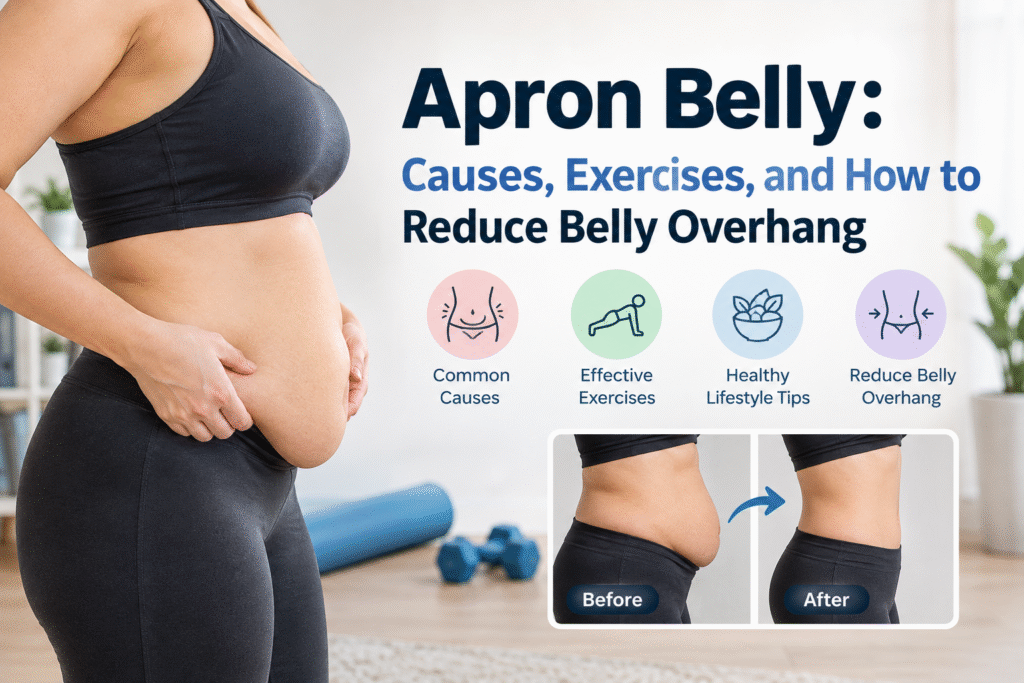
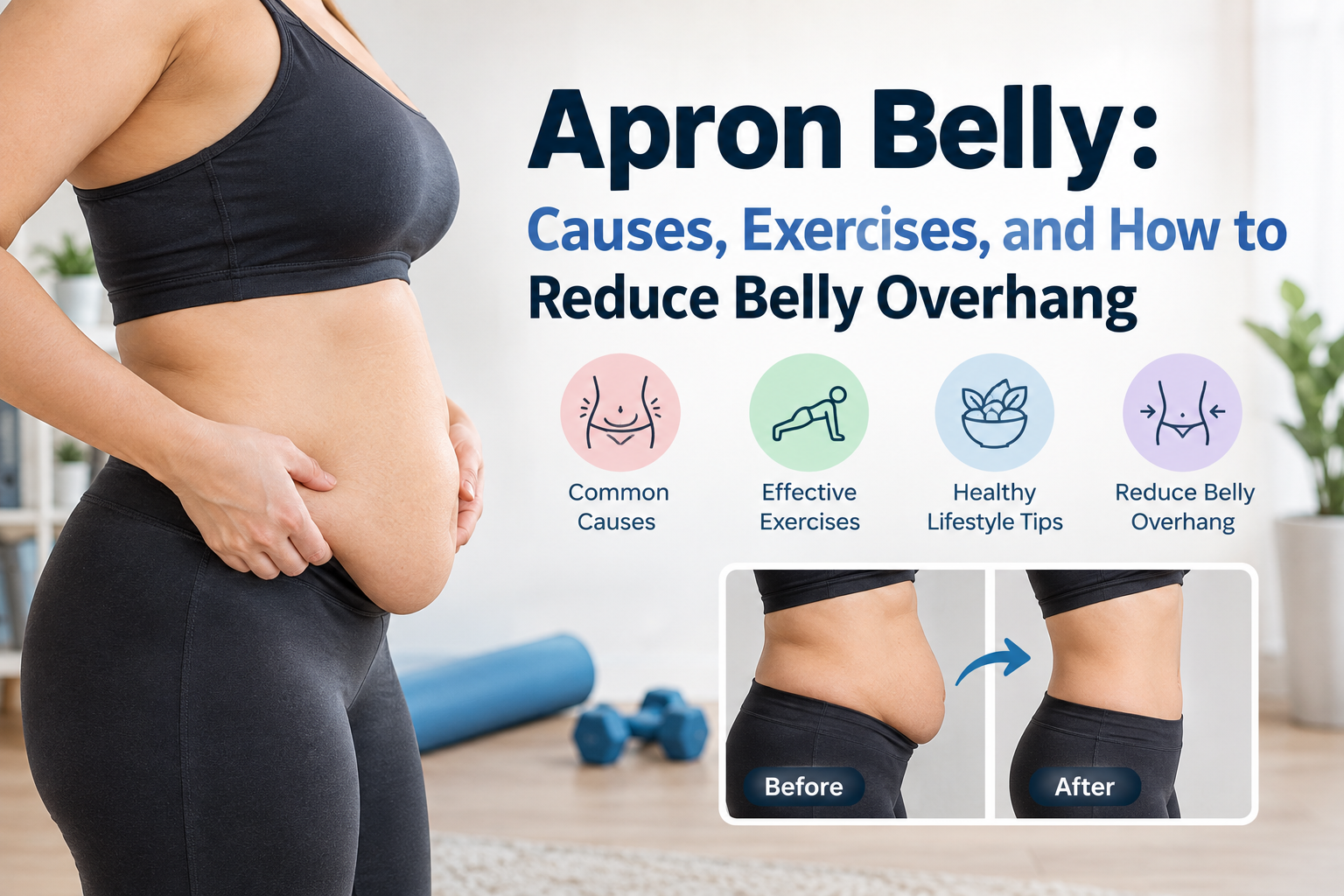
An apron belly is a common body change where excess fat, loose skin, or both hang from the lower abdomen. This lower belly overhang can develop after pregnancy, weight gain, major weight loss, or natural changes in skin elasticity.
Many people search for ways to reduce an apron belly because it affects their confidence, clothing choices, and comfort. However, understanding the reason behind it is important before choosing any solution.
An apron belly is not always caused by excess fat alone. In many cases, it involves a combination of:
- Excess belly fat
- Stretched abdominal skin
- Reduced skin elasticity
- Changes after pregnancy
- Body composition changes
The appearance can range from a small apron belly to a larger fold of hanging skin and tissue. The right approach depends on whether the main concern is fat, loose skin, or both.
Exercise, nutrition, and healthy habits can help improve body composition. However, they may not completely remove excess hanging skin after major changes. Understanding these differences helps create realistic expectations.
Quick Answer: What Is an Apron Belly?
An apron belly is a fold of excess fat, loose skin, or both that hangs over the lower abdomen. It is also known as a pannus stomach, abdominal apron, or mother’s apron. It commonly develops after pregnancy, weight gain, or significant weight loss.
The medical term often used for this condition is pannus or panniculus, referring to the hanging layer of abdominal tissue.
Unlike normal belly fat, an apron belly involves visible tissue that extends downward from the abdomen. It may cover part of the waistband area or extend toward the pubic region.
Common features include:
- Hanging lower abdominal skin
- Excess fat around the stomach area
- Loose or sagging skin
- A fold beneath the belly button
- Changes after pregnancy or weight loss
Apron Belly Overview
| Question | Answer |
| What is an apron belly? | Excess hanging abdominal fat, skin, or both |
| Medical term | Pannus stomach or panniculus |
| Main causes | Pregnancy, weight gain, weight loss, genetics |
| Can exercise help? | Yes, exercise can reduce fat and strengthen muscles |
| Can exercise remove loose skin? | No, excess skin may require other solutions |
| Common after pregnancy? | Yes, especially after abdominal stretching |
Understanding Apron Belly: Fat, Skin, or Both?
An important step is identifying what type of apron belly you have. Not every lower belly overhang develops for the same reason.
Some people mainly have excess fat stored around the abdomen. Others have stretched skin remaining after losing weight or pregnancy.
Many people have a combination of both factors.
A simple way to understand the difference:
Fat-Dominant Apron Belly
This happens when excess body fat collects around the abdomen.
Common signs include:
- Softer abdominal tissue
- Overall weight gain
- Increased waist size
- Fat storage around the lower belly
This type may respond better to:
- Nutrition changes
- Strength training
- Regular movement
- Overall fat loss strategies
Skin-Dominant Apron Belly
This happens when stretched skin does not fully tighten after major body changes.
Common causes include:
- Pregnancy
- Significant weight loss
- Aging
- Reduced skin elasticity
This may involve:
- Loose skin
- Hanging skin folds
- Reduced abdominal firmness
Exercise can strengthen the muscles underneath, but it cannot completely remove extra skin.
Why Understanding the Difference Matters
Many people try hundreds of abdominal exercises expecting the belly overhang to disappear. However, targeted exercises alone cannot burn fat from one specific area.
Building abdominal muscles can improve strength and posture. But reducing an apron belly usually requires a complete approach.
This includes:
- Overall fat reduction
- Strength training
- Balanced nutrition
- Healthy lifestyle habits
- Patience with body changes
A realistic plan focuses on improving health and body composition rather than chasing quick fixes.
What Causes an Apron Belly? Main Reasons Behind Lower Belly Overhang
An apron belly usually develops because of changes in body fat, skin elasticity, and abdominal tissue. It is rarely caused by one single factor. Instead, several physical changes can combine over time and create a lower abdominal overhang.
The appearance of an apron belly can vary from person to person. Some people have a small lower belly fold, while others develop a larger hanging layer of fat and loose skin.
Common causes include:
- Weight gain
- Pregnancy
- Major weight loss
- Aging
- Hormonal changes
- Genetics
Understanding the cause behind your apron belly helps you choose the right approach for improving it.
1. Weight Gain and Excess Belly Fat
One of the most common causes of an apron belly is long-term weight gain. When the body stores extra fat around the abdomen, the skin stretches to accommodate the increased volume.
The lower abdomen is a common area where fat can accumulate. Over time, this can create a hanging appearance known as an abdominal apron.
Weight gain may contribute to:
- Increased abdominal fat storage
- Stretching of skin tissues
- Larger lower belly folds
- Reduced abdominal definition
When excess body fat decreases, the appearance of an apron belly may improve. However, stretched skin may remain depending on your skin elasticity and the amount of weight lost.
2. Pregnancy and Postpartum Changes
Pregnancy is one of the most common reasons women develop an apron belly. During pregnancy, the abdomen expands significantly to support the growing baby.
This stretching affects:
- Abdominal skin
- Connective tissues
- Abdominal muscles
- Skin elasticity
After childbirth, some people experience a postpartum apron belly because the skin and tissues do not fully return to their previous shape.
Factors that influence postpartum changes include:
- Number of pregnancies
- Genetics
- Age during pregnancy
- Weight changes
- Skin elasticity
This is why some women develop a mother’s apron tummy after pregnancy, while others recover their previous abdominal shape.
3. Significant Weight Loss
Many people assume losing weight will always remove an apron belly. However, weight loss can sometimes leave behind excess skin.
When the body loses a large amount of fat, the skin may not tighten completely. This happens because stretched skin can lose some of its natural elasticity.
After major weight loss, a person may notice:
- Loose abdominal skin
- Hanging lower belly tissue
- Sagging skin folds
- Reduced skin firmness
Exercise and strength training can improve muscle tone underneath. However, they cannot always remove extra skin completely.
4. Aging and Reduced Skin Elasticity
As the body ages, skin naturally becomes less elastic. Collagen and elastin production gradually decrease, making it harder for skin to maintain firmness.
Aging can affect:
- Skin thickness
- Collagen levels
- Fat distribution
- Muscle mass
These changes may increase the likelihood of developing loose skin around the abdomen.
Older adults may notice an apron belly more easily because their skin may not retract as effectively after weight changes.
5. Genetics and Body Shape
Genetics can influence where your body stores fat and how your skin responds to stretching.
Some people naturally have a higher tendency toward abdominal fat storage or reduced skin elasticity.
Genetic factors may affect:
- Body fat distribution
- Metabolism
- Skin structure
- Abdominal shape
This means two people with similar lifestyles can have very different abdominal appearances.
Your genetics may influence your starting point, but lifestyle habits still play an important role.
6. Hormonal Changes
Hormones can affect how the body stores fat and maintains muscle.
Certain life stages may change body composition, including:
- Pregnancy
- Postpartum recovery
- Menopause
- Aging
Hormonal changes can influence:
- Fat storage patterns
- Muscle maintenance
- Skin quality
For example, some women notice more abdominal fat accumulation during menopause because body composition changes over time.
7. Repeated Weight Fluctuations
Repeated cycles of gaining and losing weight can affect skin flexibility.
When skin repeatedly stretches and contracts, it may gradually lose some ability to return to its original position.
This pattern can contribute to:
- Loose skin
- Abdominal folds
- Reduced skin firmness
Maintaining a stable weight through healthy habits may help support better long-term skin appearance.
8. Lifestyle Factors That Influence Belly Changes
Lifestyle habits do not directly create an apron belly alone. However, they can influence body fat levels and skin health.
Factors that may contribute include:
- Low physical activity
- Poor nutrition
- Chronic stress
- Lack of sleep
- Smoking
A balanced lifestyle supports healthier body composition and better skin quality.
Is an Apron Belly Only Caused by Fat?
No, an apron belly is not always only fat.
It can include:
- Excess abdominal fat
- Loose skin
- Stretched connective tissue
- Changes after pregnancy
- Tissue changes after weight loss
This difference matters because fat reduction and skin tightening require different approaches.
Someone with mostly fat may see improvement through nutrition and exercise. Someone with mostly loose skin may need different solutions.
Key Takeaway: Why Does an Apron Belly Develop?
An apron belly develops when excess abdominal tissue hangs from the lower stomach area. The main causes include weight gain, pregnancy, weight loss, aging, genetics, and changes in skin elasticity.
The most common contributing factors are:
- Excess belly fat
- Pregnancy-related stretching
- Loose skin after weight loss
- Reduced collagen and elasticity
- Hormonal changes
Understanding the cause is the first step toward choosing realistic ways to reduce an apron belly.
Apron Belly After Pregnancy: Why It Happens and What Helps
Pregnancy creates incredible changes throughout the body, especially around the abdomen. Many women notice a postpartum belly that looks different after childbirth, including extra skin, softness, or a lower abdominal fold known as an apron belly after pregnancy.
During pregnancy, the abdominal area expands to support the growing baby. This stretching affects the skin, connective tissues, and abdominal muscles. After delivery, the body begins recovering, but some changes may remain depending on genetics, weight changes, and skin elasticity.
A postpartum apron belly is common and does not mean your body has failed to recover. It represents the physical changes that happen during pregnancy and childbirth.
How Pregnancy Creates an Apron Belly
During pregnancy, the abdomen gradually expands over several months. This process stretches the skin and tissues beyond their normal position.
The abdominal area experiences changes including:
- Skin stretching to accommodate growth
- Abdominal muscles adapting to increased pressure
- Connective tissues becoming more flexible
- Changes in fat storage patterns
After childbirth, the uterus shrinks and the body begins returning toward its previous state. However, stretched skin and weakened tissues may take longer to recover or may not fully return.
This can create a lower abdominal overhang that many people describe as a mother’s apron tummy.
Common Reasons for Apron Belly After Childbirth
Every pregnancy recovery looks different. Some women regain abdominal firmness quickly, while others experience lasting changes.
Several factors influence postpartum apron belly development.
1. Stretched Abdominal Skin
The skin around the stomach stretches significantly during pregnancy. After delivery, it gradually contracts, but the amount of recovery depends on individual skin elasticity.
Factors affecting skin recovery include:
- Genetics
- Age
- Number of pregnancies
- Amount of weight gained
- Natural collagen levels
Some people experience minimal changes, while others develop noticeable loose skin around the lower abdomen.
2. Abdominal Muscle Separation
Pregnancy can also affect the abdominal muscles. A condition called diastasis recti occurs when the abdominal muscles separate because of increased pressure during pregnancy.
This separation may contribute to a persistent belly appearance.
Possible signs include:
- A belly bulge that remains after pregnancy
- Weak core muscles
- Difficulty engaging abdominal muscles
- A softer abdominal area
Strengthening the deep core muscles may help improve function and appearance.
3. Postpartum Weight Changes
Pregnancy naturally involves weight gain to support the baby. After childbirth, some women lose pregnancy weight quickly, while others experience slower changes.
Weight changes can affect:
- Abdominal fat levels
- Skin appearance
- Body composition
A postpartum apron belly may contain both fat and stretched skin. Understanding which factor is dominant helps create a better plan.
Can Exercise Reduce an Apron Belly After Pregnancy?
Yes, exercise can help improve a postpartum apron belly, but expectations should remain realistic.
Exercise can help:
- Strengthen abdominal muscles
- Improve posture
- Increase calorie expenditure
- Support overall fat loss
- Improve body confidence
However, exercise cannot directly remove excess hanging skin. If loose skin is the main issue, strengthening the muscles underneath may improve the appearance but may not completely eliminate the overhang.
Best Exercises for Postpartum Apron Belly
After childbirth, the focus should be on rebuilding strength gradually.
Many experts recommend starting with gentle movements before progressing to intense workouts.
Helpful exercises include:
Deep Core Breathing
This helps reconnect with the abdominal muscles after pregnancy.
Benefits include:
- Better core control
- Improved muscle awareness
- Gentle abdominal activation
Pelvic Tilts
Pelvic tilts are beginner-friendly movements that engage the lower abdominal area.
They may help with:
- Core activation
- Lower back support
- Postpartum movement recovery
Walking
Walking is one of the easiest ways to restart physical activity.
Benefits include:
- Increased daily movement
- Improved cardiovascular health
- Support for gradual weight management
Strength Training
Once your body is ready, resistance training can help improve body composition.
Examples include:
- Squats
- Lunges
- Resistance exercises
- Full-body workouts
Building muscle can improve overall shape and support long-term weight management.
How Long Does a Postpartum Apron Belly Take to Improve?
Recovery time varies from person to person. Some changes improve within months, while others may continue for years after childbirth.
Factors affecting recovery include:
- Genetics
- Pregnancy history
- Nutrition
- Exercise habits
- Skin elasticity
- Abdominal muscle condition
The body needs time to heal after pregnancy. A gradual approach is usually more effective than extreme dieting or intense workouts immediately after delivery.
Can a Postpartum Apron Belly Go Away Completely?
It depends on what causes the apron belly.
If the main factor is excess fat, lifestyle changes may create significant improvement.
If the main factor is loose skin, improvement may be limited because stretched skin does not always tighten completely.
A postpartum apron belly may involve:
- Fat
- Loose skin
- Muscle changes
- Connective tissue changes
A realistic goal is improving strength, health, and body composition rather than expecting every pregnancy-related change to disappear.
Helpful Habits After Pregnancy
Supporting recovery involves more than exercise.
Helpful habits include:
- Eating enough protein
- Staying hydrated
- Sleeping when possible
- Performing gradual strength exercises
- Avoiding extreme calorie restriction
- Caring for abdominal skin
Nutrition and recovery habits support the body’s natural healing process.
When Should You Consider Professional Help?
Some people may consider professional guidance if they have:
- Significant loose skin
- Severe abdominal discomfort
- Persistent muscle separation
- Difficulty exercising safely
Treatment options may include:
- Physical therapy
- Body contouring procedures
- Abdominal surgery in severe cases
A healthcare professional can help determine the most appropriate option.
Key Takeaway: Apron Belly After Pregnancy
An apron belly after pregnancy develops because childbirth creates major changes in abdominal skin, muscles, and body composition.
The most important factors include:
- Stretched abdominal skin
- Pregnancy-related weight changes
- Reduced skin elasticity
- Abdominal muscle changes
Exercise, nutrition, and patience can help improve postpartum changes. However, loose skin and deeper tissue changes may require different approaches.
Every postpartum body recovers differently, and progress should focus on health, strength, and realistic improvement.
Can Exercise Get Rid of an Apron Belly? Understanding What Workouts Can and Cannot Do
Many people search for apron belly exercises because they want to reduce lower belly overhang through fitness. Exercise can play an important role in improving body composition, strengthening muscles, and supporting overall fat loss.
However, it is important to understand what exercise can and cannot change.
An apron belly may include:
- Excess abdominal fat
- Loose skin
- Stretched connective tissue
- Changes after pregnancy
Exercise can help reduce the fat component and strengthen the abdominal muscles. However, workouts cannot directly remove excess hanging skin or target fat from only one area.
A realistic approach combines:
- Strength training
- Cardiovascular exercise
- Balanced nutrition
- Consistent lifestyle habits
Can Exercise Remove an Apron Belly Completely?
The answer depends on what causes your apron belly.
If the main issue is excess body fat, exercise combined with proper nutrition can create noticeable improvement. Reducing overall body fat may decrease the size of the abdominal overhang.
However, if the main issue is loose or stretched skin, exercise may have limitations.
Exercise can help with:
- Building abdominal strength
- Improving posture
- Increasing calorie burn
- Supporting weight management
- Creating a firmer appearance
Exercise cannot:
- Remove excess hanging skin
- Reverse severe skin stretching
- Spot-reduce lower belly fat
Understanding this difference prevents unrealistic expectations.
Why Spot Reduction Does Not Work
A common misconception is that doing hundreds of abdominal exercises will remove belly fat specifically.
For example, many people believe:
- Crunches remove lower belly fat
- Sit-ups burn apron belly fat
- Ab exercises shrink one body area
However, the body loses fat gradually from different areas based on genetics, hormones, and overall energy balance.
Abdominal exercises strengthen the muscles underneath. They do not directly burn fat from the stomach area.
A better approach combines:
- Full-body workouts
- Strength training
- Daily movement
- Healthy nutrition
How Exercise Helps Reduce an Apron Belly
Although exercise cannot remove every type of apron belly, it provides several benefits.
1. Reduces Overall Body Fat
Cardiovascular activity and strength training increase energy expenditure. Over time, this can help reduce excess body fat throughout the body.
Examples include:
- Walking
- Cycling
- Swimming
- Resistance training
- Group fitness classes
Reducing overall fat levels may make the abdominal area appear smaller.
2. Strengthens Core Muscles
Strong core muscles provide better support for the abdomen.
Core training can improve:
- Stability
- Posture
- Movement control
- Abdominal strength
Important core muscles include:
- Transverse abdominis
- Rectus abdominis
- Oblique muscles
- Deep stabilizing muscles
A stronger core may improve how the stomach area looks and feels.
3. Improves Body Composition
Body composition refers to the balance between fat, muscle, and other tissues.
A person may weigh the same but look different after building muscle and reducing fat.
Strength training helps by:
- Increasing lean muscle
- Supporting metabolism
- Improving body shape
- Creating better muscle tone
This is why resistance training is often important for long-term body transformation.
Best Exercise Approach for Apron Belly Reduction
The most effective plan usually combines different types of movement.
A balanced routine includes:
Cardiovascular Exercise
Cardio supports calorie expenditure and heart health.
Examples:
- Brisk walking
- Jogging
- Swimming
- Cycling
- Dancing
Aim for regular movement that you can maintain consistently.
Strength Training
Strength training helps build muscle and improve body composition.
Useful exercises include:
- Squats
- Lunges
- Deadlifts
- Push exercises
- Resistance workouts
Building muscle supports a stronger and healthier body.
Core Training
Core exercises strengthen the muscles around your abdomen.
Helpful options include:
- Dead bugs
- Bird dogs
- Planks
- Side planks
- Pelvic tilts
These exercises focus on control and stability rather than simply burning calories.
Can Abdominal Exercises Remove Loose Skin?
No, abdominal exercises cannot remove loose skin.
Loose skin develops because the skin has stretched beyond its previous capacity. This commonly happens after:
- Pregnancy
- Significant weight loss
- Major body changes
Exercises can strengthen the muscles underneath loose skin. This may improve the overall shape of the abdomen.
However, the skin itself may require:
- Time
- Skin-supporting care
- Professional treatments in severe cases
How Long Does Exercise Take to Improve an Apron Belly?
The timeline varies between individuals.
Factors include:
- Starting body composition
- Exercise consistency
- Nutrition habits
- Genetics
- Amount of excess skin
Some people notice improvements within a few months. Others require longer periods for significant changes.
The key factors are:
- Consistency
- Progressive improvement
- Sustainable habits
Quick fixes usually do not create lasting results.
Common Exercise Mistakes When Trying to Lose an Apron Belly
Many people make mistakes that slow their progress.
Mistake 1: Only Doing Ab Exercises
Doing only crunches or sit-ups ignores overall fat loss.
A better approach includes:
- Full-body strength training
- Cardio
- Core exercises
Mistake 2: Expecting Fast Results
Body changes take time.
Extreme workout routines often lead to:
- Burnout
- Injuries
- Inconsistent habits
Sustainable progress creates better results.
Mistake 3: Ignoring Nutrition
Exercise supports fat loss, but nutrition plays a major role.
Important factors include:
- Adequate protein
- Balanced meals
- Portion awareness
- Consistent eating habits
Exercise After Pregnancy: Important Considerations
Women recovering from childbirth should return to exercise gradually.
Postpartum exercise should focus on:
- Core recovery
- Pelvic floor strength
- Mobility
- Gradual resistance training
If someone has abdominal muscle separation, such as diastasis recti, certain exercises may need modification.
A healthcare professional or qualified trainer can provide guidance when needed.
Key Takeaway: Can Exercise Get Rid of an Apron Belly?
Exercise can significantly help improve an apron belly by reducing body fat, strengthening muscles, and improving overall body composition.
However, workouts cannot completely remove:
- Excess hanging skin
- Severe abdominal overhang
- Pregnancy-related skin stretching
The most effective approach combines exercise, nutrition, patience, and realistic expectations.
Best Exercises for Apron Belly Reduction: Beginner-Friendly Workout Guide
Choosing the right apron belly exercises can help improve strength, increase calorie expenditure, and support overall body transformation. While no workout can specifically remove fat from only the lower belly, the right exercise routine can help reduce overall body fat and strengthen the muscles underneath.
An effective approach combines:
- Full-body strength training
- Core strengthening exercises
- Cardiovascular activity
- Consistent daily movement
The goal is not only reducing belly size but also improving muscle tone, posture, and overall health.
1. Walking: The Best Beginner Exercise for Apron Belly
Walking is one of the simplest and most effective exercises for beginners. It helps increase daily calorie burn without placing excessive stress on the joints.
Regular walking can support:
- Overall fat loss
- Better cardiovascular health
- Improved energy levels
- Sustainable weight management
For beginners, starting with 20–30 minutes daily can be a practical goal.
As fitness improves, you can gradually increase:
- Walking duration
- Speed
- Incline levels
Consistency matters more than intensity when creating long-term results.
2. Dead Bugs for Deep Core Strength
Dead bugs are excellent for strengthening the deep abdominal muscles. They focus on control rather than creating pressure on the lower back.
This exercise targets:
- Transverse abdominis
- Core stability muscles
- Lower abdominal control
How to perform:
- Lie on your back with knees bent.
- Lift your arms and legs into position.
- Slowly extend opposite arm and leg.
- Return to the starting position.
- Repeat on the other side.
Benefits include:
- Improved core strength
- Better posture
- Increased abdominal stability
Dead bugs are especially useful for beginners and postpartum recovery.
3. Bird Dogs for Core Stability
Bird dogs are a gentle but effective exercise for improving core control. They train the abdominal muscles while also supporting the back and hips.
How to perform:
- Start on your hands and knees.
- Extend one arm and the opposite leg.
- Hold briefly while maintaining balance.
- Return slowly.
- Repeat on the other side.
Benefits include:
- Better balance
- Stronger core muscles
- Improved posture
- Reduced lower back strain
This exercise is helpful for people rebuilding strength after pregnancy.
4. Planks for Abdominal Endurance
Planks are a popular apron belly workout exercise because they engage multiple core muscles simultaneously.
A plank works:
- Abdominal muscles
- Back muscles
- Shoulders
- Glutes
Beginners can start with:
- 10–20 second holds
Over time, gradually increase the duration.
Proper form is more important than holding the position longer.
Avoid:
- Sagging hips
- Rounded shoulders
- Holding your breath
5. Pelvic Tilts for Lower Abdominal Activation
Pelvic tilts are gentle movements that help activate the lower abdominal area.
They are especially useful for:
- Beginners
- Postpartum recovery
- Improving core awareness
How to perform:
- Lie on your back with knees bent.
- Tighten your abdominal muscles.
- Gently tilt your pelvis upward.
- Hold briefly.
- Relax and repeat.
This movement helps reconnect with deep core muscles.
6. Squats for Full-Body Fat Loss
Many people focus only on stomach exercises. However, full-body exercises are important for reducing overall body fat.
Squats help train:
- Legs
- Glutes
- Core muscles
Benefits include:
- Increased muscle strength
- Higher calorie expenditure
- Better body composition
A stronger lower body also supports daily movement and overall fitness.
7. Lunges for Strength and Balance
Lunges are another effective full-body exercise that supports body composition improvements.
They target:
- Glutes
- Thighs
- Core stability muscles
Benefits include:
- Improved balance
- Stronger lower body
- Better movement control
Adding strength exercises helps create a balanced workout routine.
8. Resistance Training for Long-Term Results
Strength training is often overlooked when people want to reduce an apron belly. However, building muscle can improve metabolism and body shape.
Resistance training may include:
- Dumbbells
- Resistance bands
- Bodyweight exercises
- Weight machines
Benefits include:
- Increased lean muscle
- Improved strength
- Better body composition
- Support for long-term weight control
Muscle development helps create a firmer appearance beneath the skin.
Beginner Apron Belly Workout Plan
A simple weekly routine can combine different exercise types.
| Day | Workout |
| Day 1 | Walking + Dead bugs + Pelvic tilts |
| Day 2 | Squats + Bird dogs + Stretching |
| Day 3 | Walking + Light mobility |
| Day 4 | Planks + Lunges + Core exercises |
| Day 5 | Full-body strength workout |
| Day 6 | Walking or low-impact cardio |
| Day 7 | Rest and recovery |
This type of routine focuses on consistency rather than extreme workouts.
Postpartum Apron Belly Exercise Considerations
Women recovering after pregnancy should return to exercise gradually.
Important considerations include:
- Healing after childbirth
- Pelvic floor strength
- Abdominal muscle separation
- Energy levels
Exercises should focus on rebuilding control before increasing intensity.
Helpful postpartum movements include:
- Walking
- Deep breathing exercises
- Pelvic tilts
- Gentle core activation
If you experience pain, pressure, or discomfort, professional guidance may be helpful.
How Often Should You Exercise for Apron Belly Reduction?
Consistency is more important than doing intense workouts occasionally.
A balanced goal may include:
- Strength training 2–4 times weekly
- Regular walking or cardio
- Daily movement habits
Results depend on:
- Nutrition
- Starting body composition
- Exercise consistency
- Genetics
Progress happens gradually through repeated healthy habits.
Common Mistakes During Apron Belly Workouts
Doing Only Crunches
Crunches strengthen abdominal muscles but do not remove belly fat alone.
A better approach includes:
- Strength training
- Cardio
- Nutrition improvements
Exercising Too Intensely Too Soon
Extreme workouts can increase injury risk and reduce consistency.
Start with manageable exercises and progress gradually.
Ignoring Strength Training
Many people only perform cardio for fat loss.
Strength training helps:
- Maintain muscle
- Improve body shape
- Support metabolism
Key Takeaway: Best Exercises for Apron Belly
The best apron belly exercises focus on improving overall fitness rather than targeting only one area.
A successful routine combines:
- Walking
- Core exercises
- Strength training
- Full-body workouts
- Consistent movement
Exercise can reduce fat, strengthen muscles, and improve body composition. However, results depend on whether the apron belly is mainly caused by fat, loose skin, or a combination of both.
How to Reduce Apron Belly Naturally: Diet, Lifestyle, and Fat Loss Strategies
Reducing an apron belly naturally requires a combination of healthy eating, regular movement, strength training, and consistent lifestyle habits. There is no single food or exercise that can remove lower belly fat overnight.
The lower abdominal area often changes because of multiple factors, including:
- Excess body fat
- Hormonal changes
- Pregnancy history
- Genetics
- Skin elasticity
A sustainable approach focuses on improving overall health while gradually reducing excess fat and supporting the body’s natural changes.
Can You Lose an Apron Belly Naturally?
Yes, many people can reduce the size and appearance of an apron belly naturally. However, results depend on whether the overhang is mainly caused by fat, loose skin, or both.
If excess fat is the main factor, lifestyle changes can create noticeable improvement.
Natural methods can help with:
- Reducing overall body fat
- Improving muscle tone
- Supporting metabolism
- Increasing energy levels
- Improving body composition
However, if the apron belly is mostly excess skin, weight loss alone may not completely remove it.
1. Focus on Overall Fat Loss Instead of Spot Reduction
One of the biggest mistakes people make is trying to burn only lower belly fat.
The body does not remove fat from one specific area through targeted exercises. Fat loss happens gradually throughout the body based on genetics and overall energy balance.
A successful fat-loss approach includes:
- Creating a sustainable calorie deficit
- Eating nutrient-rich foods
- Exercising regularly
- Maintaining healthy habits
Reducing overall body fat can gradually decrease the size of an abdominal apron.
2. Increase Protein Intake for Better Body Composition
Protein plays an important role during weight loss because it helps maintain muscle while reducing fat.
A higher-protein diet may support:
- Better fullness after meals
- Muscle maintenance
- Recovery after workouts
- Healthy metabolism
Good protein sources include:
- Eggs
- Fish
- Chicken
- Greek yogurt
- Beans
- Lentils
- Tofu
Maintaining muscle is especially important because muscle helps create a stronger and firmer body shape.
3. Eat More Fiber-Rich Foods
Fiber supports digestion and helps control hunger throughout the day.
Foods high in fiber include:
- Vegetables
- Fruits
- Whole grains
- Beans
- Seeds
- Nuts
Fiber can help you:
- Feel satisfied longer
- Manage portion sizes
- Support healthy digestion
- Maintain steady energy levels
A balanced diet with enough fiber makes weight management easier.
4. Reduce Highly Processed Foods
Highly processed foods often contain extra calories, added sugars, and unhealthy fats.
Frequent consumption may make fat loss more difficult.
Try reducing:
- Sugary drinks
- Processed snacks
- Fast food
- Excess sweets
- Refined carbohydrates
Instead, choose foods that provide more nutrients and support your fitness goals.
Examples include:
- Lean proteins
- Vegetables
- Fruits
- Whole grains
- Healthy fats
5. Stay Hydrated for Better Weight Management
Water plays an important role in overall health and metabolism.
Proper hydration supports:
- Normal digestion
- Exercise performance
- Energy levels
- Healthy skin function
Sometimes thirst can feel similar to hunger. Drinking enough water may help prevent unnecessary snacking.
A simple habit is keeping water available throughout the day.
6. Combine Strength Training With Cardio
Many people only focus on cardio when trying to reduce an apron belly. However, strength training is equally important.
Strength exercises help:
- Build lean muscle
- Improve body shape
- Support metabolism
- Increase strength
A balanced routine includes:
Cardio exercises:
- Walking
- Cycling
- Swimming
- Jogging
Strength exercises:
- Squats
- Lunges
- Resistance training
- Core exercises
Combining both creates better long-term results.
7. Improve Sleep Quality
Sleep affects many processes related to weight management.
Poor sleep may influence:
- Hunger hormones
- Food cravings
- Energy levels
- Workout performance
Helpful sleep habits include:
- Maintaining a regular schedule
- Creating a relaxing bedtime routine
- Limiting excessive screen use before sleep
Good sleep supports recovery and healthier lifestyle choices.
8. Manage Stress Levels
Chronic stress can affect eating habits and overall health.
High stress levels may contribute to:
- Emotional eating
- Increased cravings
- Poor sleep
- Reduced motivation
Helpful stress-management strategies include:
- Walking outdoors
- Meditation
- Breathing exercises
- Hobbies
- Regular physical activity
A healthy mind supports a healthier body.
9. Support Skin Health During Fat Loss
When losing weight, supporting skin health can be helpful, especially if loose skin is a concern.
Helpful habits include:
- Eating enough protein
- Staying hydrated
- Protecting skin from sun damage
- Avoiding rapid weight changes
Skin elasticity varies between individuals. Factors like age, genetics, and pregnancy history influence how much skin tightens after weight loss.
Can Losing Weight Remove an Apron Belly Completely?
It depends on the main cause.
If the apron belly is mostly fat:
Weight loss may significantly reduce it.
If the apron belly includes loose skin:
Some hanging skin may remain after fat loss.
If it includes both:
A combination approach may improve the appearance but may not completely remove all excess tissue.
Understanding your body type helps create realistic expectations.
How Long Does It Take to Reduce an Apron Belly?
There is no exact timeline because every person responds differently.
Progress depends on:
- Starting weight
- Genetics
- Diet consistency
- Exercise routine
- Amount of excess skin
Healthy fat loss is usually gradual. Sustainable habits often create better results than extreme approaches.
Focus on progress rather than quick changes.
Common Mistakes When Trying to Lose Apron Belly Fat
1. Doing Only Ab Exercises
Core exercises strengthen muscles but do not specifically burn belly fat.
A complete plan requires:
- Full-body workouts
- Strength training
- Nutrition improvements
2. Following Extreme Diets
Very restrictive diets may create short-term weight loss but are difficult to maintain.
They can lead to:
- Low energy
- Muscle loss
- Poor consistency
A balanced approach is usually more effective.
3. Ignoring Muscle Building
Many people focus only on losing weight.
However, building muscle helps improve:
- Body shape
- Strength
- Metabolism
- Long-term results
Key Takeaway: Natural Ways to Reduce Apron Belly
Reducing an apron belly naturally requires patience and consistency. The most effective approach combines nutrition, exercise, and healthy lifestyle habits.
Focus on:
- Reducing overall body fat
- Eating enough protein
- Strength training regularly
- Improving sleep
- Managing stress
- Supporting skin health
Natural methods can reduce fat and improve body composition. However, excess loose skin may require different solutions depending on its severity.
Can Weight Loss Reduce an Apron Belly? Understanding Fat Loss and Loose Skin
Many people wonder, “Can weight loss reduce an apron belly?” The answer depends on what your apron belly is mainly made of.
An apron belly may contain:
- Excess abdominal fat
- Loose or stretched skin
- A combination of fat and skin
If excess fat is the main cause, losing weight can significantly reduce the size of the lower abdominal overhang. However, if loose skin is the primary concern, weight loss may improve the shape but may not completely remove the hanging tissue.
Understanding this difference helps create realistic expectations during your transformation journey.
How Weight Loss Affects an Apron Belly
When you lose weight, your body reduces fat stored throughout different areas. The abdomen is often one of the areas where people notice changes.
Weight loss may help:
- Reduce abdominal fat
- Decrease belly size
- Improve body composition
- Create a more defined waistline
However, the amount of improvement depends on several factors.
These include:
- Amount of weight lost
- Age
- Genetics
- Skin elasticity
- Duration of being overweight
Someone who loses a small amount of weight may notice gradual improvement. Someone who loses a significant amount may experience remaining loose skin.
Fat Loss vs Loose Skin: Understanding the Difference
Many people confuse excess belly fat with loose skin. However, they require different approaches.
Apron Belly Caused Mainly by Fat
When excess fat is the main issue, weight loss can create noticeable changes.
Signs may include:
- Soft abdominal tissue
- Increased waist size
- Fat stored around the lower belly
- Overall weight gain
Helpful strategies include:
- Calorie control
- Strength training
- Cardio exercise
- Protein-rich nutrition
Reducing overall body fat can gradually decrease the size of the abdominal apron.
Apron Belly Caused Mainly by Loose Skin
Loose skin often appears after major body changes.
Common situations include:
- Pregnancy
- Significant weight loss
- Aging
- Long-term weight gain
Signs may include:
- Thin hanging skin
- Wrinkled abdominal folds
- Reduced skin firmness
- Empty-looking skin areas
Weight loss alone cannot remove extra skin because the skin itself has stretched beyond its previous capacity.
Why Does Loose Skin Remain After Weight Loss?
Skin has natural elasticity that allows it to expand and contract. However, prolonged stretching can reduce its ability to return completely.
Factors affecting skin recovery include:
- Age
- Genetics
- Collagen production
- Amount of weight lost
- Length of time carrying extra weight
Younger skin generally has more elasticity. Older skin may require more support because collagen levels naturally decrease over time.
Can Exercise Tighten an Apron Belly After Weight Loss?
Exercise can improve the appearance of an apron belly by strengthening the muscles underneath the skin.
Strength training may help:
- Build abdominal muscles
- Improve posture
- Increase muscle tone
- Create a firmer appearance
Helpful exercises include:
- Planks
- Squats
- Dead bugs
- Resistance training
- Full-body workouts
However, exercise cannot physically remove excess hanging skin.
It improves the foundation beneath the skin but does not act like a skin-removal procedure.
How Much Weight Loss Is Needed to Reduce an Apron Belly?
There is no specific amount of weight loss that works for everyone.
The result depends on:
- Starting body weight
- Fat distribution
- Body shape
- Genetics
- Skin condition
Some people notice changes after losing a small amount of weight. Others need larger changes before seeing significant differences.
A healthier goal is focusing on:
- Better strength
- Improved fitness
- Reduced body fat
- Sustainable habits
Can Diet Alone Remove an Apron Belly?
Diet plays an important role in reducing body fat. However, diet alone may not create the best results.
A balanced approach combines:
- Proper nutrition
- Strength training
- Regular movement
- Recovery habits
A healthy diet should include:
- Protein-rich foods
- Vegetables
- Fruits
- Whole grains
- Healthy fats
Extreme dieting can cause muscle loss and may make body changes harder to maintain.
Does Losing Weight After Pregnancy Remove an Apron Belly?
Weight loss after pregnancy can reduce the fat portion of a postpartum apron belly. However, pregnancy-related skin stretching may remain.
Pregnancy affects:
- Abdominal skin
- Abdominal muscles
- Connective tissues
Recovery depends on:
- Number of pregnancies
- Pregnancy weight gain
- Genetics
- Time after childbirth
Some women regain abdominal firmness naturally, while others experience long-term loose skin.
Can a Small Apron Belly Go Away With Weight Loss?
A small apron belly may improve significantly with healthy lifestyle changes.
People with mild lower belly overhang may benefit from:
- Fat loss
- Strength training
- Better nutrition
- Improved muscle tone
However, even a small apron belly may include some loose skin depending on previous weight changes.
Healthy Weight Loss Tips for Reducing Apron Belly
A sustainable approach usually works best.
Helpful habits include:
- Create gradual calorie changes
- Prioritize protein intake
- Strength train regularly
- Walk consistently
- Sleep adequately
- Stay hydrated
Avoid:
- Crash diets
- Extreme exercise routines
- Unrealistic expectations
Long-term consistency creates better results than quick fixes.
When Weight Loss Is Not Enough
Sometimes a person reaches a healthy weight but still has significant abdominal overhang.
This can happen when there is:
- Excess loose skin
- Severe skin stretching
- Significant postpartum changes
In these cases, additional options may include:
- Professional skin tightening treatments
- Body contouring procedures
- Surgical removal of excess skin
These options depend on individual goals and medical advice.
Key Takeaway: Can Weight Loss Reduce an Apron Belly?
Yes, weight loss can reduce an apron belly when excess fat is the main cause. It can decrease abdominal fat and improve body shape.
However, weight loss may not completely remove loose or hanging skin caused by pregnancy, aging, or major weight changes.
The most effective approach combines:
- Healthy fat loss
- Strength training
- Proper nutrition
- Patience
- Realistic expectations
Understanding whether your apron belly is mostly fat, skin, or both helps you choose the right strategy.
Apron Belly Treatment Options: Non-Surgical and Surgical Solutions for Excess Skin & Fat
When lifestyle changes improve body composition but an apron belly remains, some people explore professional treatment options. The right solution depends on whether the main concern is excess fat, loose skin, or a combination of both.
Treatment options range from non-invasive approaches that improve skin appearance to surgical procedures that remove excess abdominal tissue.
Before choosing any treatment, it is important to understand the cause behind your abdominal overhang.
A professional evaluation can help determine whether the main issue is:
- Excess belly fat
- Loose skin
- Muscle separation
- Combination of multiple factors
Can an Apron Belly Be Treated Without Surgery?
Yes, some people can improve the appearance of an apron belly without surgery. Non-surgical methods may help when the problem involves mild fat accumulation or reduced skin firmness.
However, results depend on the severity of the condition.
Non-surgical approaches may include:
- Lifestyle changes
- Weight management
- Strength training
- Skin tightening treatments
- Body contouring procedures
These options usually focus on improving appearance rather than completely removing significant hanging skin.
1. Weight Management and Lifestyle Changes
For people with a fat-dominant apron belly, improving body composition can create meaningful changes.
A sustainable approach includes:
- Balanced nutrition
- Regular exercise
- Strength training
- Healthy daily habits
Reducing excess body fat may decrease the size of the lower abdominal fold.
However, lifestyle changes may not completely remove stretched skin after pregnancy or major weight loss.
2. Skin Tightening Treatments
Some non-surgical treatments focus on improving skin firmness by stimulating collagen production.
These treatments may help with:
- Mild loose skin
- Reduced skin elasticity
- Early signs of sagging
Common technologies include:
- Radiofrequency treatments
- Ultrasound-based treatments
- Laser skin procedures
These treatments work by encouraging natural skin remodeling processes.
Results vary depending on:
- Age
- Skin condition
- Amount of loose skin
- Individual response
3. Body Contouring Procedures
Body contouring treatments aim to improve body shape by targeting stubborn fat areas.
Some procedures may use:
- Cooling technology
- Heat energy
- Ultrasound energy
- Other fat-reduction methods
These treatments may help people who have small areas of stubborn fat.
However, they are usually not designed to remove large amounts of hanging skin.
4. Physical Therapy for Abdominal Muscle Recovery
Some people develop abdominal weakness after pregnancy or major weight changes.
A physical therapist can help address issues such as:
- Core weakness
- Poor abdominal control
- Diastasis recti
- Posture problems
Improving core function may support better abdominal appearance.
Exercises may focus on:
- Deep core activation
- Breathing techniques
- Controlled movements
- Functional strength
Surgical Treatments for Apron Belly
When an apron belly involves significant excess skin, surgery may provide the most noticeable results.
Surgical procedures focus on removing extra tissue and improving abdominal contour.
Common procedures include:
- Panniculectomy
- Abdominoplasty (tummy tuck)
The right procedure depends on individual needs and goals.
1. Panniculectomy: Removing Excess Hanging Skin
A panniculectomy is a surgical procedure designed specifically to remove excess hanging abdominal skin.
It may be considered for people who have:
- Large skin folds
- Significant weight loss history
- Skin irritation problems
- Difficulty with daily activities
The procedure mainly removes the hanging skin layer.
Unlike a tummy tuck, it usually focuses less on tightening abdominal muscles.
2. Abdominoplasty (Tummy Tuck)
A tummy tuck is a more comprehensive abdominal procedure. It removes excess skin while improving the overall abdominal contour.
A tummy tuck may address:
- Loose abdominal skin
- Excess fat deposits
- Abdominal muscle separation
Benefits may include:
- Flatter abdominal appearance
- Improved abdominal firmness
- Reduced lower belly overhang
However, it is a major surgical procedure that requires proper consultation and recovery planning.
Panniculectomy vs Tummy Tuck: What Is the Difference?
| Feature | Panniculectomy | Tummy Tuck |
| Main purpose | Removes hanging skin | Improves abdominal contour |
| Removes excess skin | Yes | Yes |
| Tightens muscles | Usually limited | Often included |
| Focus | Functional improvement | Cosmetic improvement |
| Suitable for | Large skin overhang | Loose skin and abdominal changes |
Who May Consider Apron Belly Surgery?
Surgery may be considered when:
- Weight is stable
- Lifestyle changes are complete
- Excess skin affects comfort
- Skin irritation occurs
- Non-surgical methods are insufficient
Doctors usually recommend reaching a stable weight before surgery.
Significant weight changes after surgery may affect results.
Are Apron Belly Treatments Permanent?
The longevity of results depends on the treatment type and lifestyle habits.
Surgical procedures provide longer-lasting changes because excess tissue is physically removed.
However, future changes can occur due to:
- Aging
- Pregnancy
- Weight fluctuations
- Lifestyle factors
Maintaining a stable weight helps protect results.
Risks and Considerations Before Treatment
Every treatment option has benefits and limitations.
Important considerations include:
- Recovery time
- Cost
- Personal health history
- Expected results
- Possible risks
Non-surgical treatments usually involve less recovery but may create subtle improvements.
Surgical procedures may create stronger changes but require more planning and recovery.
Choosing the Right Apron Belly Treatment
The best option depends on your specific situation.
If You Have Mostly Fat:
Consider:
- Nutrition changes
- Exercise
- Weight management strategies
If You Have Mild Loose Skin:
Consider:
- Skin care
- Skin tightening treatments
- Strength training
If You Have Significant Hanging Skin:
Consider:
- Medical consultation
- Panniculectomy
- Tummy tuck options
A personalized approach creates more realistic and satisfying results.
Key Takeaway: Apron Belly Treatment Options
Apron belly treatment depends on whether the concern is fat, loose skin, or both.
Lifestyle changes can improve fat-related apron belly concerns. Non-surgical treatments may support mild skin tightening, while surgical options can address significant excess skin.
The most important steps include:
- Understanding your body changes
- Setting realistic goals
- Choosing appropriate solutions
- Seeking professional guidance when needed
Improving an apron belly is not about quick fixes. It is about choosing an approach that matches your body’s needs.
Health Concerns Related to Apron Belly: Skin Irritation, Comfort Issues, and Prevention Tips
An apron belly is often discussed as a cosmetic concern, but it can sometimes create physical challenges too. When excess abdominal skin and fat hang over the lower stomach area, they may affect comfort, movement, and skin health.
The level of impact depends on:
- Size of the abdominal fold
- Amount of excess skin
- Skin sensitivity
- Daily activity levels
- Personal hygiene habits
Not everyone with an apron belly experiences problems. However, larger skin folds may create conditions where irritation and discomfort become more common.
Can an Apron Belly Cause Health Problems?
An apron belly itself is not a disease. However, excess abdominal tissue can sometimes contribute to certain skin and comfort issues.
Common concerns may include:
- Skin irritation
- Moisture buildup
- Rashes
- Reduced comfort during movement
- Difficulty maintaining skin hygiene
These issues usually occur because skin folds create a warm and moist environment.
1. Skin Irritation Under the Abdominal Fold
One of the most common concerns with an apron belly is irritation beneath the skin fold.
When skin rubs against skin, friction can occur. Combined with sweat and moisture, this may lead to discomfort.
Possible symptoms include:
- Redness
- Burning sensation
- Tender skin
- Itching
- Sensitive areas
Keeping the area clean and dry can help reduce irritation.
2. Increased Moisture and Skin Fold Problems
Skin folds naturally trap moisture more easily. The lower abdominal area can become warm, especially during exercise or hot weather.
Moisture buildup may increase the risk of:
- Skin breakdown
- Uncomfortable itching
- Odor
- Fungal irritation
Helpful habits include:
- Drying the area carefully after bathing
- Wearing breathable clothing
- Changing sweaty clothes quickly
- Avoiding prolonged moisture exposure
3. Rashes and Inflammation
Some people with an apron belly experience rashes caused by friction and moisture. This type of irritation is often called intertrigo.
Intertrigo commonly affects areas where skin touches skin, including:
- Under the abdominal fold
- Groin area
- Inner thighs
- Other body folds
Signs may include:
- Red patches
- Burning
- Mild swelling
- Skin sensitivity
If irritation becomes severe or persistent, medical advice may be helpful.
4. Impact on Exercise and Movement
A larger apron belly may sometimes affect physical activity.
Some people experience:
- Discomfort during walking
- Difficulty with certain exercises
- Reduced mobility
- Skin rubbing during movement
This does not mean exercise should be avoided. Instead, choosing comfortable activities can help maintain consistency.
Good options may include:
- Walking
- Swimming
- Low-impact workouts
- Strength training modifications
5. Emotional and Confidence Concerns
Body changes can affect emotional wellbeing. Many people feel self-conscious about an apron belly, especially after pregnancy or major weight changes.
Common feelings may include:
- Reduced confidence
- Clothing concerns
- Frustration during weight loss
- Body image struggles
It is important to remember that an apron belly is a common body change influenced by many factors.
A healthy approach focuses on:
- Improving strength
- Supporting health
- Creating realistic goals
- Building confidence
How to Care for Skin Under an Apron Belly
Proper skin care can help reduce discomfort and protect the abdominal area.
Helpful practices include:
Keep the Area Clean
Wash gently with mild products and avoid harsh scrubbing.
Dry Thoroughly
Moisture control is important because damp skin folds can become irritated.
Wear Breathable Clothing
Choose fabrics that reduce friction and allow airflow.
Moisturize Carefully
Hydrating the skin can support skin comfort. Avoid applying heavy products that trap excess moisture.
Can an Apron Belly Increase Infection Risk?
Skin folds may create conditions where certain infections are more likely, especially when moisture remains trapped.
Factors that increase risk include:
- Excess sweating
- Poor airflow
- Frequent friction
- Difficulty cleaning the area
Maintaining proper hygiene and keeping the area dry can reduce these concerns.
Does Losing Weight Improve Apron Belly-Related Problems?
Yes, reducing excess body fat can improve many concerns related to an apron belly.
Weight reduction may help:
- Reduce skin fold size
- Improve movement comfort
- Decrease friction
- Support easier hygiene
However, if loose skin remains after weight loss, some skin-fold concerns may continue.
Prevention Tips for Apron Belly Concerns
While you cannot always prevent an apron belly, healthy habits can reduce related problems.
Helpful strategies include:
- Maintaining a healthy weight
- Building muscle through strength training
- Eating a balanced diet
- Staying physically active
- Protecting skin health
- Avoiding rapid weight changes
During pregnancy, gradual weight management and postpartum recovery support may also help.
When Should You Seek Medical Advice?
Consider speaking with a healthcare professional if you experience:
- Persistent skin infections
- Painful irritation
- Open sores
- Severe discomfort
- Difficulty with daily activities
A healthcare provider can recommend appropriate treatment based on your situation.
Key Takeaway: Health Concerns From Apron Belly
An apron belly is a common body change that may involve excess fat, loose skin, or both. While it is not harmful by itself, larger abdominal folds can sometimes create skin and comfort concerns.
Managing an apron belly involves:
- Maintaining healthy habits
- Protecting skin under folds
- Staying active
- Addressing irritation early
Understanding your body and caring for your skin can improve comfort while working toward your personal health goals.
How to Prevent an Apron Belly: Lifestyle Habits for Long-Term Abdominal Health
While it is not always possible to completely prevent an apron belly, healthy habits can reduce the factors that contribute to abdominal fat accumulation and skin changes.
Genetics, pregnancy, aging, and major weight changes all influence how the abdomen changes over time. However, maintaining a healthy lifestyle can support better body composition and skin health.
Prevention focuses on:
- Maintaining a stable weight
- Building muscle strength
- Supporting skin elasticity
- Avoiding extreme weight fluctuations
- Developing sustainable habits
A healthy approach is not about achieving a perfect body. It is about supporting long-term strength, mobility, and confidence.
1. Maintain a Healthy and Stable Weight
One of the most effective ways to reduce the risk of developing an apron belly is maintaining a healthy weight range.
Frequent cycles of gaining and losing weight can repeatedly stretch the skin. Over time, this may affect skin firmness and elasticity.
Helpful strategies include:
- Eating balanced meals
- Staying physically active
- Avoiding crash diets
- Creating sustainable habits
A gradual approach to weight management is usually easier for the body to adapt to.
2. Build Strength Through Resistance Training
Strength training plays an important role in maintaining muscle and improving body composition.
Building muscle helps support:
- Better metabolism
- Stronger abdominal muscles
- Improved posture
- A firmer body appearance
Useful exercises include:
- Squats
- Lunges
- Resistance training
- Core exercises
- Full-body workouts
Strength training becomes especially valuable as people age because muscle naturally decreases over time.
3. Eat a Nutrient-Rich Diet
Nutrition affects both body fat levels and skin health.
A balanced diet provides nutrients needed for healthy tissues and normal body functions.
Important nutrients include:
Protein
Protein supports:
- Muscle maintenance
- Recovery after exercise
- Healthy body composition
Sources include:
- Eggs
- Fish
- Chicken
- Beans
- Lentils
Vitamin C and Antioxidants
These nutrients support normal collagen production and help protect cells from environmental stress.
Sources include:
- Citrus fruits
- Berries
- Vegetables
- Leafy greens
Healthy Fats
Healthy fats support overall wellness and skin health.
Sources include:
- Nuts
- Seeds
- Avocado
- Olive oil
- Fatty fish
4. Avoid Rapid Weight Changes
Rapid weight gain and weight loss can affect how the skin adapts.
Extreme changes may contribute to:
- Loose skin
- Reduced skin firmness
- Stretch marks
- Abdominal changes
A slower, consistent approach allows the body to adjust more naturally.
Healthy progress usually comes from:
- Regular movement
- Balanced eating
- Long-term consistency
5. Stay Active During Pregnancy
Pregnancy naturally changes the abdominal area. However, maintaining healthy habits during pregnancy can support recovery afterward.
Pregnancy-safe activities may include:
- Walking
- Gentle strength exercises
- Mobility exercises
- Prenatal fitness routines
Always follow medical guidance during pregnancy.
After childbirth, gradual recovery helps rebuild strength and support the abdominal area.
6. Support Skin Health
Skin elasticity plays an important role in how the abdomen changes after weight fluctuations or pregnancy.
Helpful skin-supporting habits include:
- Staying hydrated
- Eating enough protein
- Protecting skin from excessive sun exposure
- Avoiding smoking
Collagen production naturally decreases with age, so supporting overall skin health becomes increasingly important.
7. Prioritize Sleep and Stress Management
Sleep and stress affect many processes related to weight management.
Poor sleep may contribute to:
- Increased cravings
- Reduced energy
- Lower exercise motivation
- Difficulty maintaining healthy habits
Helpful habits include:
- Maintaining a regular sleep schedule
- Practicing relaxation techniques
- Taking regular breaks
- Staying physically active
A healthy lifestyle includes both physical and mental wellbeing.
8. Strengthen Your Core After Pregnancy
A strong core supports posture, movement, and abdominal function.
After pregnancy, rebuilding core strength can help improve abdominal stability.
Helpful exercises include:
- Pelvic tilts
- Dead bugs
- Bird dogs
- Controlled breathing exercises
Core training should focus on proper movement rather than aggressive abdominal exercises.
9. Avoid Smoking
Smoking can negatively affect skin quality by impacting circulation and collagen function.
It may contribute to:
- Reduced skin elasticity
- Faster visible aging
- Slower tissue recovery
Avoiding smoking supports healthier skin and overall wellness.
Can You Prevent Apron Belly Completely?
No, an apron belly cannot always be completely prevented.
Factors such as:
- Genetics
- Pregnancy history
- Aging
- Natural skin structure
play important roles.
However, healthy habits can reduce the likelihood of excessive fat gain and support better recovery after body changes.
The goal is not preventing every change. The goal is maintaining a healthier and stronger body.
Long-Term Habits That Support Abdominal Health
A simple daily approach can make a difference.
Focus on:
- Moving your body regularly
- Eating enough protein
- Strength training consistently
- Maintaining a stable weight
- Sleeping well
- Caring for your skin
Small habits repeated over time create meaningful results.
Key Takeaway: Preventing an Apron Belly
An apron belly develops from a combination of factors, including weight changes, pregnancy, genetics, and skin elasticity.
While some factors cannot be controlled, healthy habits can support better abdominal health.
The most effective prevention strategies include:
- Maintaining a healthy weight
- Building muscle
- Eating a balanced diet
- Supporting skin health
- Avoiding extreme changes
A consistent lifestyle helps your body adapt better through different stages of life.
Common Mistakes When Trying to Lose an Apron Belly (And What to Do Instead)
Many people trying to reduce an apron belly make mistakes that slow their progress. These mistakes often happen because of unrealistic expectations, misinformation, or focusing on only one part of the solution.
Reducing a lower abdominal overhang requires understanding how the body stores fat, builds muscle, and changes after pregnancy or weight loss.
The most effective approach focuses on:
- Improving overall body composition
- Building strength
- Supporting healthy fat loss
- Creating sustainable habits
Avoiding common mistakes can make your journey more effective and realistic.
Mistake 1: Doing Only Abdominal Exercises
One of the most common mistakes is focusing only on stomach exercises.
Many people believe exercises like crunches and sit-ups will directly remove an apron belly. However, abdominal exercises strengthen muscles but do not specifically burn fat from one area.
The body loses fat through overall energy balance, not targeted movements.
Instead of only doing abdominal workouts, include:
- Full-body strength training
- Cardio exercises
- Daily movement
- Balanced nutrition
Core exercises are still valuable because they improve strength and stability.
Mistake 2: Expecting Spot Reduction
Spot reduction means trying to lose fat from one specific body area.
Many people search for:
- How to lose apron belly fat only
- Best exercise for lower belly fat
- Quick stomach apron removal
However, the body decides where fat is lost first based on:
- Genetics
- Hormones
- Age
- Overall body composition
A better strategy focuses on reducing total body fat while strengthening muscles.
Mistake 3: Following Extreme Diets
Crash diets may create quick weight changes, but they are difficult to maintain.
Extreme dieting can lead to:
- Muscle loss
- Low energy
- Increased cravings
- Poor workout performance
A healthier approach focuses on sustainable eating habits.
Choose:
- Enough protein
- Whole foods
- Balanced meals
- Appropriate portions
Long-term consistency creates better results than short-term restriction.
Mistake 4: Ignoring Strength Training
Many people only perform cardio when trying to reduce an apron belly.
Cardio supports calorie burning, but strength training provides additional benefits.
Strength training helps:
- Build lean muscle
- Improve body shape
- Support metabolism
- Create a firmer appearance
Useful strength exercises include:
- Squats
- Lunges
- Resistance exercises
- Bodyweight movements
Building muscle helps improve overall body composition.
Mistake 5: Losing Weight Too Quickly
Rapid weight loss may seem attractive, but it can create challenges.
Fast weight loss may increase the chance of:
- Muscle loss
- Reduced energy
- Difficulty maintaining results
- More noticeable loose skin
A gradual approach allows the body to adapt better.
Healthy progress focuses on:
- Consistent habits
- Balanced nutrition
- Regular exercise
- Long-term changes
Mistake 6: Believing Exercise Can Remove Loose Skin
A common misconception is that enough exercise can completely remove an apron belly.
Exercise can improve:
- Muscle strength
- Posture
- Body shape
- Fitness levels
However, workouts cannot remove excess hanging skin.
Loose skin may develop after:
- Pregnancy
- Significant weight loss
- Long-term weight gain
Understanding this difference helps create realistic expectations.
Mistake 7: Comparing Your Body With Others
Everyone’s body changes differently.
Two people may experience different results because of:
- Genetics
- Age
- Pregnancy history
- Skin elasticity
- Lifestyle factors
Comparing your progress with others can create unnecessary frustration.
Instead, focus on:
- Personal improvements
- Strength gains
- Health markers
- Consistent habits
Mistake 8: Ignoring Postpartum Recovery
Many women try to return quickly to intense workouts after childbirth.
However, the body needs time to recover after pregnancy.
Postpartum recovery should consider:
- Abdominal muscle changes
- Pelvic floor strength
- Energy levels
- Healing process
A gradual approach may include:
- Walking
- Gentle core exercises
- Mobility work
- Progressive strength training
Mistake 9: Not Tracking Progress Properly
Many people only measure progress through the scale.
However, body changes involve more than weight.
Other progress signs include:
- Improved strength
- Better clothing fit
- Increased energy
- Reduced measurements
- Improved fitness
The scale does not always show changes in body composition.
Mistake 10: Expecting Immediate Results
An apron belly usually develops over months or years. Therefore, reducing it also requires time.
Results depend on:
- Starting point
- Consistency
- Nutrition
- Exercise routine
- Genetics
Sustainable progress often comes from small improvements repeated consistently.
Better Approach for Reducing an Apron Belly
Instead of searching for quick fixes, focus on a complete strategy.
A balanced approach includes:
Nutrition
- Eat enough protein
- Choose nutrient-rich foods
- Maintain appropriate portions
Exercise
- Strength train regularly
- Include cardio
- Train your core
Lifestyle
- Sleep well
- Manage stress
- Stay active daily
Mindset
- Set realistic goals
- Track progress
- Stay consistent
Key Takeaway: Avoiding Apron Belly Mistakes
Reducing an apron belly requires more than doing hundreds of abdominal exercises or following extreme diets.
The biggest mistakes include:
- Expecting spot reduction
- Ignoring strength training
- Losing weight too quickly
- Expecting exercise to remove loose skin
- Looking for unrealistic shortcuts
A successful approach combines healthy nutrition, regular exercise, patience, and realistic expectations.
Frequently Asked Questions About Apron Belly (FAQ)
What Is an Apron Belly?
An apron belly is a fold of excess fat, loose skin, or both that hangs from the lower abdomen. It is also called a pannus stomach, abdominal apron, or mother’s apron.
This condition commonly develops after:
- Pregnancy
- Weight gain
- Significant weight loss
- Aging-related skin changes
An apron belly can look different for everyone. Some people have a small lower belly pouch, while others have more noticeable hanging skin and tissue.
The appearance depends on factors like body fat levels, skin elasticity, genetics, and lifestyle habits.
What Causes an Apron Belly?
An apron belly develops because of changes in abdominal fat, skin, and connective tissues.
The most common causes include:
- Excess body fat accumulation
- Pregnancy-related stretching
- Major weight loss
- Reduced skin elasticity
- Genetics
- Hormonal changes
For many people, an apron belly results from a combination of fat and loose skin rather than one single cause.
Understanding the cause helps determine whether exercise, weight management, or other treatments may be helpful.
Is an Apron Belly Caused by Pregnancy?
Yes, pregnancy can contribute to developing an apron belly. During pregnancy, the abdomen expands to support the growing baby, stretching the skin and abdominal tissues.
After childbirth, some people experience a postpartum apron belly because the skin and muscles do not completely return to their previous condition.
Factors that influence postpartum changes include:
- Number of pregnancies
- Genetics
- Weight gain during pregnancy
- Skin elasticity
- Recovery habits
Pregnancy affects every body differently, so postpartum recovery varies.
Can Weight Loss Reduce an Apron Belly?
Yes, weight loss can reduce an apron belly when excess fat is the main cause.
Losing weight may help:
- Reduce abdominal fat
- Decrease belly size
- Improve body composition
- Increase muscle definition
However, weight loss may not completely remove loose or hanging skin.
If the apron belly is mainly caused by stretched skin after pregnancy or major weight loss, additional approaches may be needed.
Can Exercise Get Rid of an Apron Belly?
Exercise can help reduce the appearance of an apron belly, but results depend on the cause.
Workouts can help:
- Reduce overall body fat
- Strengthen abdominal muscles
- Improve posture
- Support healthier body composition
However, exercise cannot directly remove excess hanging skin.
The best approach combines:
- Strength training
- Cardio activity
- Core exercises
- Balanced nutrition
What Are the Best Exercises for Apron Belly?
The best exercises focus on overall fat reduction and core strength.
Helpful exercises include:
- Walking
- Squats
- Lunges
- Planks
- Dead bugs
- Bird dogs
- Resistance training
These exercises help strengthen muscles and support overall fitness.
However, no exercise can specifically burn fat only from the lower belly area.
How Do You Get Rid of an Apron Belly?
Reducing an apron belly depends on whether it contains mostly fat, loose skin, or both.
Helpful strategies include:
- Maintaining a healthy diet
- Increasing protein intake
- Performing regular exercise
- Building muscle through strength training
- Managing weight gradually
For significant loose skin, medical treatments such as body contouring or surgical procedures may provide stronger results.
How Can I Reduce Apron Belly Naturally?
Natural reduction focuses on improving overall health and body composition.
Helpful habits include:
- Eating nutrient-rich foods
- Exercising consistently
- Getting enough protein
- Drinking enough water
- Sleeping well
- Managing stress
These habits can reduce excess fat and improve fitness.
However, natural methods may not completely remove excess skin.
Why Do I Have an Apron Belly Even Though I Am Not Overweight?
An apron belly can occur even in people who are not overweight.
Possible reasons include:
- Previous pregnancy
- Past weight loss
- Genetics
- Skin elasticity changes
- Abdominal muscle changes
Body shape is influenced by many factors beyond body weight alone.
A person with a healthy weight can still have loose abdominal skin or a lower belly fold.
Can a Small Apron Belly Go Away?
A small apron belly may improve with consistent lifestyle changes.
Helpful approaches include:
- Reducing overall body fat
- Strengthening core muscles
- Improving nutrition
- Maintaining regular movement
The amount of improvement depends on whether the issue is fat, loose skin, or both.
Small changes often respond better than severe abdominal overhang.
What Is the Difference Between Apron Belly Fat and Loose Skin?
Apron belly fat refers mainly to excess fat stored around the lower abdomen. Loose skin refers to stretched skin that remains after body changes.
Fat-related apron belly:
- Softer tissue
- Responds better to fat loss
- Improves with lifestyle changes
Loose skin apron belly:
- Thin or hanging skin
- Often follows pregnancy or major weight loss
- May not tighten completely naturally
Many people have a combination of both conditions.
Does Smoking Make an Apron Belly Worse?
Smoking does not directly create an apron belly, but it may affect skin health.
Smoking can reduce:
- Collagen production
- Blood circulation
- Skin repair ability
Reduced skin quality may make it harder for the skin to maintain firmness after stretching.
Avoiding smoking supports healthier skin and overall wellness.
How Long Does It Take to Reduce an Apron Belly?
The timeline depends on several personal factors.
These include:
- Starting body composition
- Exercise routine
- Nutrition habits
- Genetics
- Amount of excess skin
Some people notice improvements within months, while others require longer periods.
Consistent habits usually create better long-term results.
Can You Tighten an Apron Belly Without Surgery?
Mild apron belly concerns may improve without surgery.
Helpful methods include:
- Strength training
- Healthy weight management
- Skin care
- Non-surgical skin tightening treatments
However, significant hanging skin may not fully tighten without professional procedures.
The best solution depends on the severity and individual goals.
What Is the Best Treatment for a Severe Apron Belly?
A severe apron belly with large amounts of hanging skin may require professional evaluation.
Possible options include:
- Panniculectomy
- Tummy tuck (abdominoplasty)
- Body contouring procedures
A healthcare professional can recommend the most suitable option based on health, goals, and body changes.
Final Thoughts: Understanding Your Apron Belly
An apron belly is a common body change caused by factors such as pregnancy, weight changes, genetics, and skin elasticity.
The best approach depends on understanding whether the concern is:
- Excess fat
- Loose skin
- Abdominal muscle changes
- A combination of factors
Healthy habits, exercise, and proper nutrition can improve strength and body composition. However, realistic expectations are important because every body responds differently.
A sustainable approach focuses on improving health, confidence, and overall wellbeing.