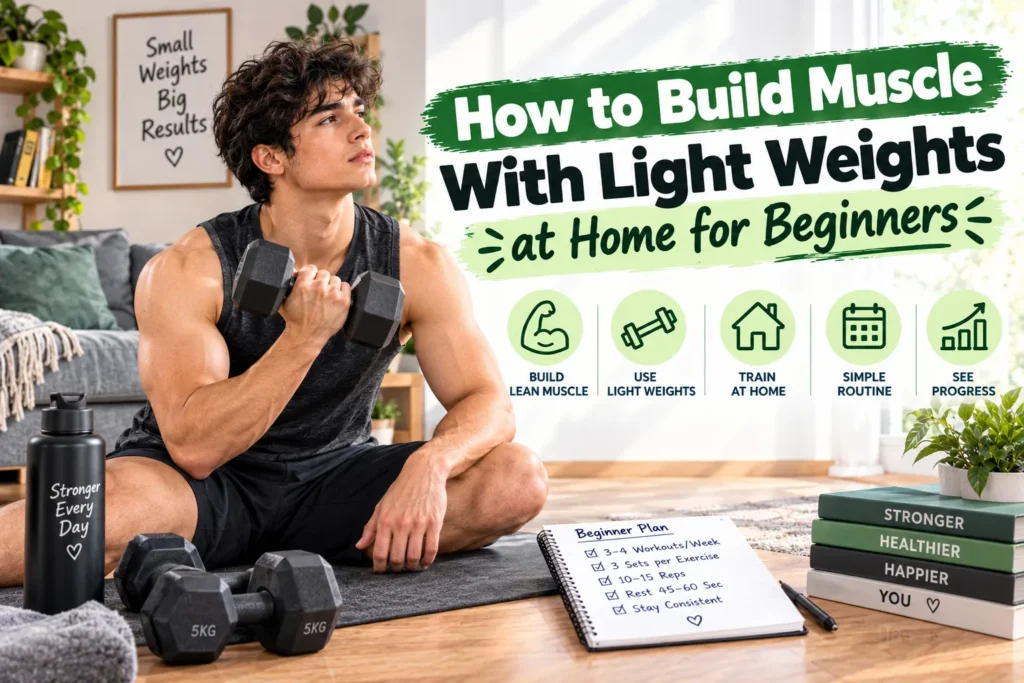
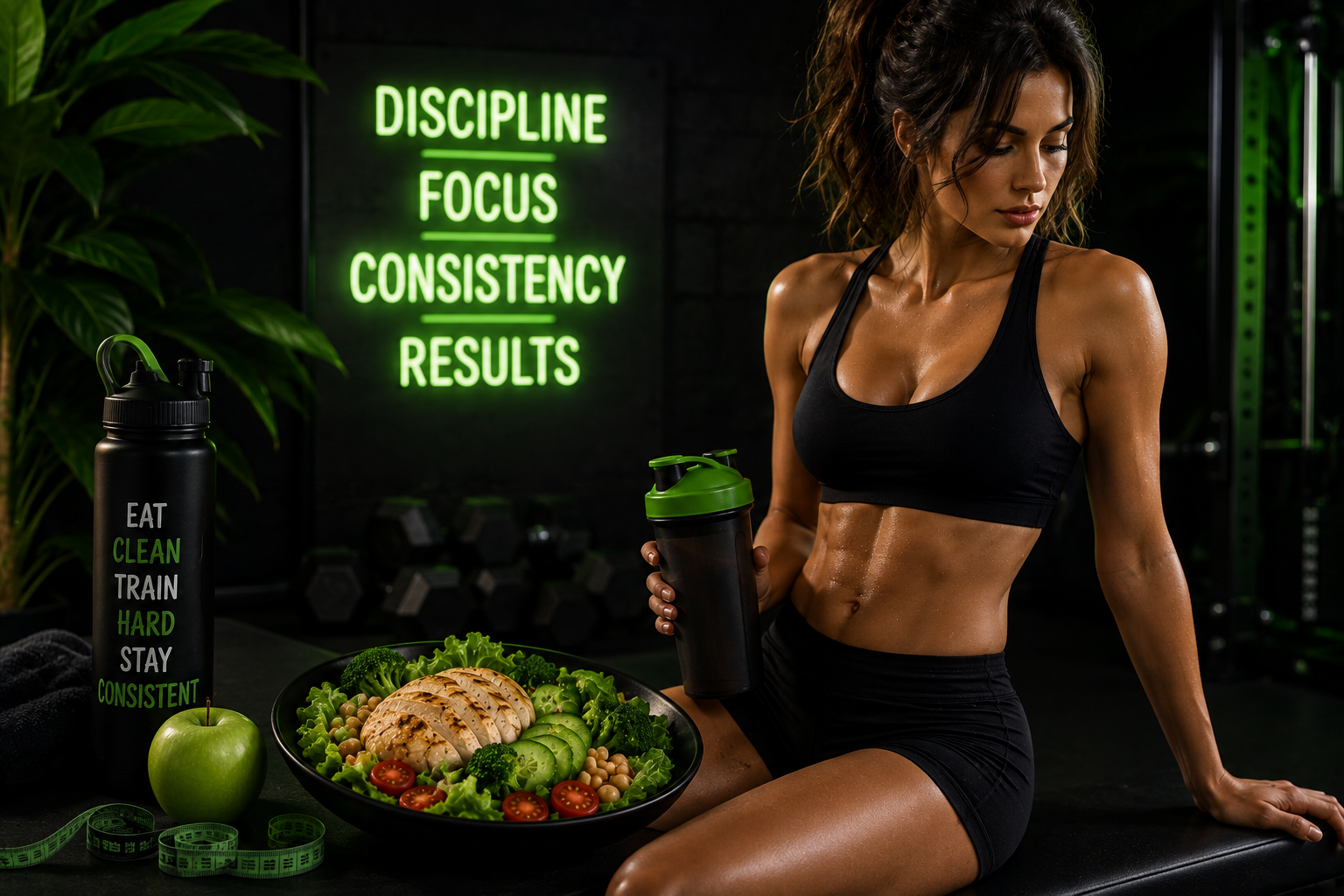
Starting your fitness journey can feel overwhelming, especially if you’ve never exercised regularly or followed a healthy eating plan. Social media is filled with dramatic transformation stories, intense workouts, and strict diets that can make beginners believe they need to change everything overnight.
The truth is much simpler.
Losing weight successfully doesn’t require expensive gym memberships, advanced workout routines, or extreme diets. It starts with small, sustainable habits that improve your health over time.
Whether your goal is improving your energy, reducing health risks, or simply feeling more confident, this beginner-friendly guide will show you exactly how to get started.
Why Beginners Often Struggle
Many people quit within the first few weeks because they expect immediate results.
Common mistakes include:
- Exercising too hard too soon
- Following restrictive diets
- Skipping meals
- Comparing themselves with others
- Expecting rapid weight loss
Healthy progress takes time. Building habits is more important than chasing quick results.
Step 1: Set Realistic Goals
Instead of aiming to lose a large amount of weight in a short period, focus on achievable milestones.
Examples include:
- Walking 30 minutes a day
- Drinking more water
- Eating vegetables with every meal
- Cooking at home more often
- Losing 1–2 pounds per week
Small wins create momentum and help you stay motivated.
Step 2: Improve Your Nutrition First
Exercise is important, but nutrition has the biggest influence on body weight.
You don’t need to eliminate your favorite foods. Instead, build balanced meals that include:
- Lean protein
- Whole grains
- Healthy fats
- Fruits
- Vegetables
These foods help you stay full while providing essential nutrients.
Choose Healthy Snacks
Many beginners consume extra calories through snacks without realizing it.
If you’re looking for the best snack for losing weight, consider options like:
- Greek yogurt with berries
- Apple slices with peanut butter
- Cottage cheese
- Mixed nuts (in moderation)
- Boiled eggs
- Hummus with vegetables
- Roasted chickpeas
Healthy snacks can help reduce cravings between meals.
Step 3: Start Walking Every Day
Walking is one of the easiest and safest ways to begin exercising.
Benefits include:
- Burns calories
- Improves heart health
- Reduces stress
- Requires no equipment
- Suitable for almost every fitness level
Begin with 20–30 minutes a day and gradually increase your pace or distance.
Many beginners ask whether walking is enough.
The answer is yes—especially when combined with healthy eating.
Step 4: Add Beginner Strength Training
Strength training isn’t just for athletes.
Building muscle helps your body burn more calories throughout the day while improving posture and everyday strength.
Simple exercises include:
- Bodyweight squats
- Wall push-ups
- Glute bridges
- Step-ups
- Planks
Start with two sessions per week and focus on proper form rather than heavy weights.
Step 5: Don’t Ignore Sleep
Lack of sleep affects hormones that regulate hunger.
Poor sleep can lead to:
- Increased cravings
- Reduced motivation
- Lower energy
- Emotional eating
Aim for 7–9 hours of quality sleep each night.
Step 6: Stay Consistent
Consistency beats perfection.
Missing one workout or enjoying a treat doesn’t ruin your progress.
Instead of starting over every Monday, simply return to your healthy habits at the next meal or workout.
What If You’re Working Out but Not Losing Weight?
One of the most common frustrations is working out but not losing weight.
Several factors may explain this:
You’re Eating More Than You Realize
Exercise can increase appetite.
Tracking meals for a few weeks may help identify hidden calories.
You’re Building Muscle
If you’re strength training, you may notice you’re losing inches not weight.
Muscle is denser than fat, so your body shape can improve even if the scale changes slowly.
Take waist measurements and progress photos instead of relying only on body weight.
You’re Being Impatient
Healthy weight loss is gradual.
Many people experience temporary plateaus before seeing continued progress.
Why Belly Fat Can Be Stubborn
Some beginners become discouraged because they’re losing weight but not belly fat.
It’s important to know that your body decides where it loses fat first.
Unfortunately, spot reduction isn’t possible.
The best approach is to:
- Stay in a calorie deficit.
- Exercise consistently.
- Eat enough protein.
- Manage stress.
- Sleep well.
Over time, overall body fat decreases, including around the abdomen.
Losing Weight with Polycystic Ovarian Disease
For women, losing weight with polycystic ovarian disease (PCOS) can be more challenging because hormonal changes may affect metabolism and insulin sensitivity.
Helpful strategies include:
- Eating more high-fiber foods
- Choosing lean protein
- Exercising regularly
- Managing stress
- Getting enough sleep
- Following advice from your healthcare provider
Weight management with PCOS often requires patience, but gradual lifestyle changes can make a meaningful difference.
Protein Shakes for Losing Weight
Whole foods should always come first, but protein shakes for losing weight may be useful if you struggle to meet your daily protein intake.
Choose products with:
- High-quality protein
- Low added sugar
- Simple ingredients
Protein shakes work best as part of a balanced eating plan rather than replacing every meal.
Apple Cider Vinegar Recipes for Losing Weight
Many people search for apple cider vinegar recipes for losing weight.
Although some studies suggest apple cider vinegar may slightly increase feelings of fullness, there is no strong evidence that it causes significant fat loss on its own.
If you enjoy its flavor, you can use it in:
- Homemade salad dressings
- Vegetable marinades
- Healthy vinaigrettes
Avoid consuming concentrated apple cider vinegar without diluting it, as it may irritate the throat or damage tooth enamel.
Loose Skin After Weight Loss
A common concern is after losing weight loose skin.
Loose skin is more likely when someone loses a large amount of weight, particularly over a short period.
If you’re wondering how to avoid loose skin after losing weight, the best strategies include:
- Lose weight gradually.
- Strength train regularly.
- Eat enough protein.
- Stay hydrated.
- Avoid crash diets.
These same habits can also help how to avoid loose skin when losing weight and how to prevent loose skin when losing weight, although factors such as age, genetics, and the amount of weight lost also play important roles.
Hair Loss While Losing Weight
Some people experience losing weight hair loss, especially after very restrictive diets.
Possible causes include:
- Protein deficiency
- Iron deficiency
- Rapid weight loss
- Low calorie intake
Eating a balanced diet with adequate protein, vitamins, and minerals can help reduce this risk.
If hair loss persists, consult a healthcare professional.
Can Losing Weight Make You Taller?
A frequently searched question is can losing weight make you taller.
The answer is no.
Weight loss doesn’t increase your height.
However, improving posture through exercise and strengthening your core muscles may help you stand straighter, making you appear taller.
Can Losing Weight Increase Your Singing Range?
Some people also ask can losing weight increase your singing range.
There is no evidence that losing weight directly increases vocal range.
However, improved fitness may support better breathing, posture, and stamina, which can positively influence singing performance for some individuals.
Randy Jackson Losing Weight
Many people search for Randy Jackson losing weight because he has openly discussed his health journey after being diagnosed with type 2 diabetes.
His transformation highlights an important lesson:
Long-term success comes from sustainable lifestyle changes rather than quick fixes.
His experience reminds us that consistency, healthy eating, and medical guidance are more effective than fad diets.
5 Best-Kept Secrets to Losing Weight After 60
Older adults can absolutely achieve healthy weight loss.
Here are the 5 best-kept secrets to losing weight after 60:
- Prioritize strength training to preserve muscle.
- Eat enough protein every day.
- Stay physically active with walking and flexibility exercises.
- Focus on nutrient-dense foods rather than restrictive diets.
- Schedule regular health check-ups to monitor progress safely.
Final Thoughts
Starting your fitness journey doesn’t require perfection.
The most successful people begin with simple habits, remain consistent, and gradually improve over time.
Remember:
- Walk regularly.
- Eat balanced meals.
- Stay hydrated.
- Get enough sleep.
- Strength train twice a week.
- Be patient with your progress.
Healthy losing weight is a lifelong journey—not a temporary challenge.
Every positive decision you make today brings you one step closer to better health.
Frequently Asked Questions
How to Start Losing Weight?
Start by making small, sustainable lifestyle changes. Eat balanced meals, walk daily, include strength training a few times each week, stay hydrated, sleep well, and create a moderate calorie deficit. Focus on consistency instead of rapid results.
Why Am I Not Losing Weight?
If you’re not seeing progress, possible reasons include eating more calories than you realize, inconsistent exercise, poor sleep, stress, medical conditions, or building muscle while losing fat. Track your habits for a few weeks and consult a healthcare professional if needed.
Does Walking Help in Losing Weight?
Yes. Walking helps burn calories, improves heart health, reduces stress, and is one of the best beginner-friendly exercises. Combined with healthy eating, regular walking can support long-term weight management.
Does Losing Weight Lower Blood Pressure?
For many people who are overweight or living with obesity, losing weight may help reduce blood pressure and improve overall heart health. Always work with your healthcare provider to monitor blood pressure and determine the best treatment plan.
How to Avoid Loose Skin After Losing Weight?
To reduce the risk of loose skin:
- Lose weight gradually.
- Strength train regularly.
- Eat enough protein.
- Stay hydrated.
- Avoid crash diets.
While these habits may help, factors such as age, genetics, and the amount of weight lost also influence skin elasticity.