If you’ve ever searched online for how to lose weight, you’ve probably seen thousands of conflicting opinions. One article tells you to avoid carbohydrates, another recommends fasting, while others promote expensive supplements or unrealistic workout routines.
The truth is that successful weight loss doesn’t require extreme diets or complicated fitness plans. Instead, it comes from building healthy habits that you can follow consistently over time.
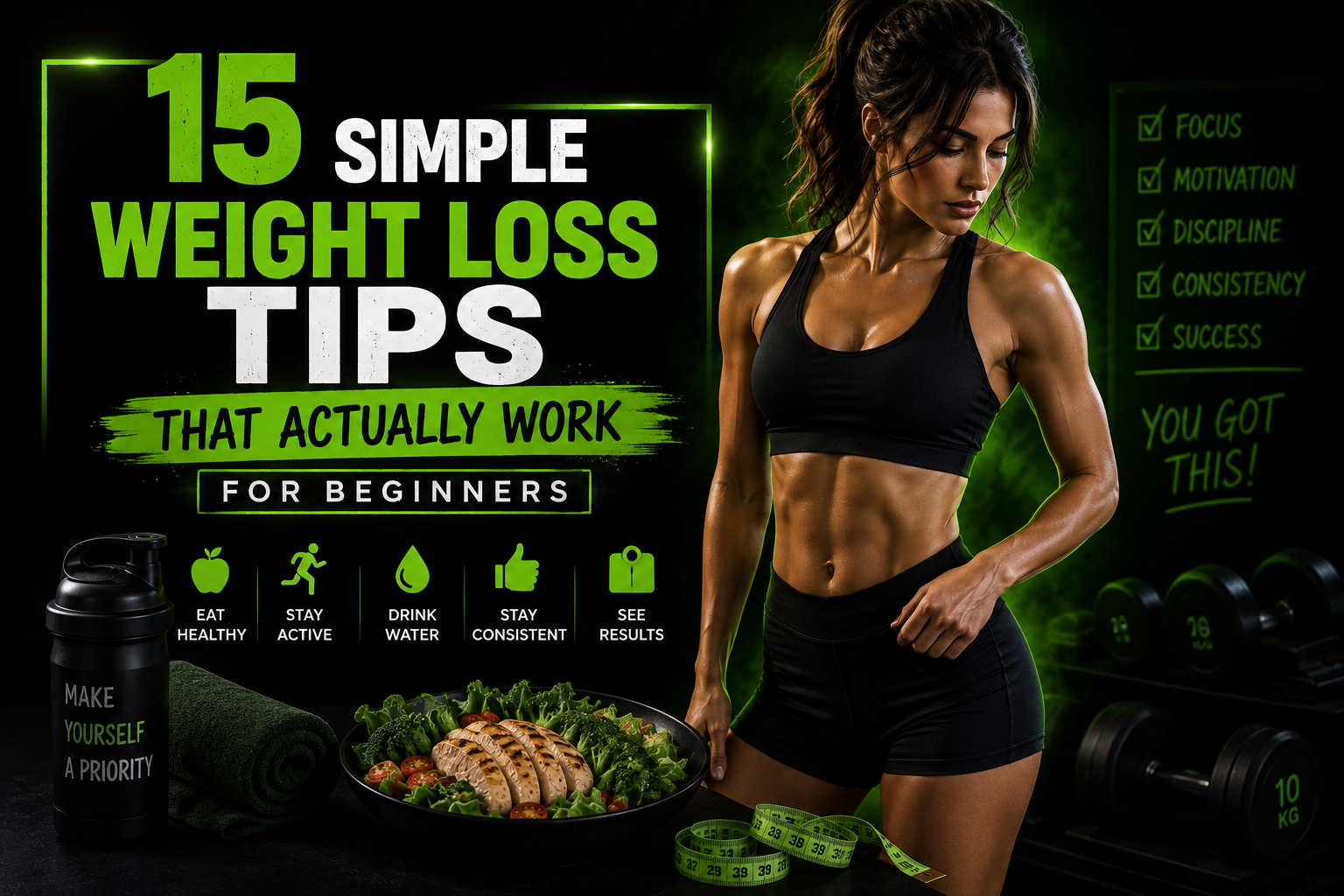
Whether you’re just starting your journey or looking for practical advice, these beginner-friendly weight loss tips are based on proven nutrition and fitness principles, not quick fixes.
In this guide, you’ll learn what is the best way to lose weight is, how to build a realistic eating plan, choose the best exercise for weight loss, and create healthy habits that deliver long-term results.
Why Most Weight Loss Plans Fail
Many beginners believe they need the perfect workout or the perfect meal plan.
In reality, most people struggle because they:
- Expect overnight results.
- Follow overly restrictive diets.
- Skip meals.
- Quit after a few weeks.
- Compare themselves to others.
Healthy progress happens gradually. Instead of searching for how to lose weight fast, focus on building habits you can maintain for months and years.
1. Set Realistic Goals
One of the biggest mistakes beginners make is trying to lose too much weight too quickly.
A realistic goal is generally losing 1–2 pounds (0.5–1 kg) per week through healthy eating and regular activity.
Instead of saying:
“I want to lose 50 pounds.”
Break it into smaller milestones:
- Walk five days each week.
- Drink more water.
- Eat vegetables daily.
- Cook more meals at home.
- Exercise consistently.
Small achievements build confidence and keep you motivated.
2. Focus on Nutrition Before Diet Trends
There are countless eating plans available, but the most effective weight loss nutrition diet is one you can follow consistently.
Rather than chasing fad diets, build meals around:
- Lean protein
- Whole grains
- Fresh vegetables
- Fruit
- Healthy fats
This balanced approach provides your body with the nutrients it needs while making it easier to stay in a calorie deficit.
Many people look for a proper diet for losing weight or a normal diet to lose weight, but the answer isn’t about eating less—it’s about eating smarter.
A sustainable eating pattern always beats a short-term crash diet.
3. Eat More Protein
Protein is one of the most satisfying nutrients.
It helps:
- Reduce hunger
- Preserve muscle
- Improve recovery
- Support fat loss
Good protein sources include:
- Chicken breast
- Fish
- Eggs
- Greek yogurt
- Cottage cheese
- Lentils
- Tofu
- Beans
Aim to include protein at every meal rather than eating most of it at dinner.
4. Drink More Water
Many people confuse thirst with hunger.
Drinking water throughout the day may help reduce unnecessary snacking while supporting digestion and workout performance.
Simple habits include:
- Drink a glass of water before meals.
- Carry a reusable water bottle.
- Replace sugary drinks with water.
These small changes can significantly reduce your daily calorie intake.
5. Stop Drinking Your Calories
Liquid calories are easy to overlook.
Common sources include:
- Soda
- Sweetened coffee
- Energy drinks
- Fruit juice
- Milkshakes
Replacing these beverages with water, sparkling water, or unsweetened tea can support healthy weight loss without requiring major dietary changes.
6. Start Walking Every Day
Walking remains one of the easiest forms of exercise for beginners.
Benefits include:
- Burns calories
- Improves heart health
- Supports mental well-being
- Requires no equipment
- Suitable for nearly every fitness level
If you’re wondering how to reduce weight without joining a gym, daily walking is one of the best places to start.
Aim for 30–45 minutes most days of the week.
7. Choose the Best Exercise for Weight Loss
Although cardio burns calories, combining it with resistance training usually produces better long-term results.
The best exercise for weight loss includes a combination of:
Cardio
Examples:
- Walking
- Cycling
- Swimming
- Jogging
Strength Training
Examples:
- Squats
- Push-ups
- Lunges
- Rows
- Dumbbell exercises
Building muscle helps increase calorie expenditure while improving body composition.
Remember, consistency is more important than intensity.
Balanced Diet for Fat Loss
Many beginners ask whether they need a special meal plan.
The answer is no.
A balanced diet for fat loss should include:
Protein
Supports muscle maintenance and helps control hunger.
Complex Carbohydrates
Choose foods such as:
- Oats
- Brown rice
- Whole-grain bread
- Sweet potatoes
Healthy Fats
Include:
- Avocados
- Olive oil
- Nuts
- Seeds
Fruits and Vegetables
Aim to fill half your plate with colorful produce to increase fiber and nutrient intake.
This balanced approach is much more sustainable than restrictive eating plans often promoted online.
Is There a Fastest Way to Lose Weight?
Many people search for the fastest way to lose weight or wonder how to lose weight soon.
While rapid weight loss may occur during the first week due to water loss, lasting fat loss requires time and consistency.
Instead of trying to lose weight fast, focus on:
- Eating balanced meals.
- Exercising regularly.
- Sleeping well.
- Managing stress.
- Staying physically active every day.
These habits are safer, more sustainable, and far more effective in the long run.
Avoid Confusing Diet Trends
The internet is filled with advice promoting one specific diet for diet after another.
Rather than jumping between different diet trends every few weeks, choose an eating pattern that:
- Fits your lifestyle.
- Includes foods you enjoy.
- Meets your nutritional needs.
- Can be maintained for years.
Sustainability is the key to long-term success.

8. Plan Your Meals in Advance
One of the easiest ways to stay on track is to plan your meals before you’re hungry. When you have healthy options prepared, you’re less likely to rely on fast food or processed snacks.
A simple meal plan might look like this:
Breakfast
- Oatmeal with berries and Greek yogurt
- Scrambled eggs with whole-grain toast
Lunch
- Grilled chicken with brown rice and steamed vegetables
- Tuna salad with mixed greens
Dinner
- Baked salmon with quinoa and broccoli
- Turkey stir-fry with vegetables
Healthy Snacks
- Apple with peanut butter
- Cottage cheese
- Mixed nuts (small portion)
- Carrot sticks with hummus
Meal planning also makes it easier to maintain a calorie deficit without feeling deprived.
9. Learn Portion Control
Even healthy foods can contribute to weight gain if consumed in excessive amounts.
Instead of eliminating your favorite foods, focus on eating appropriate portions.
Helpful tips include:
- Use smaller plates.
- Eat slowly.
- Avoid distractions while eating.
- Stop when comfortably full rather than overly full.
Mindful eating is one of the most underrated weight loss tips because it helps improve your relationship with food.
10. Sleep Is More Important Than You Think
Many beginners focus only on food and exercise while ignoring sleep.
Poor sleep may lead to:
- Increased hunger
- More cravings
- Lower energy levels
- Reduced workout performance
Aim for 7–9 hours of quality sleep every night.
A consistent sleep schedule supports hormone balance and makes healthy choices easier throughout the day.
11. Manage Stress Effectively
Stress can influence eating habits and make weight loss more challenging.
Instead of turning to food for comfort, try healthy stress-management techniques such as:
- Walking outdoors
- Deep breathing
- Meditation
- Journaling
- Reading
- Yoga
- Spending time with family or friends
Reducing stress supports both physical and mental well-being.
12. Track Progress Beyond the Scale
The number on the scale is only one measure of progress.
You may notice positive changes even if your weight doesn’t change every week.
Track:
- Waist measurements
- Hip measurements
- Progress photos
- Strength improvements
- Energy levels
- Clothing fit
Sometimes you’re losing body fat while gaining muscle, which means the scale may stay the same even though your body composition is improving.
13. Don’t Chase Quick Fixes
Many people search for:
- how to lose weight fast
- lose weight fast
- how to lose weight soon
- how to weight loss quickly
While it’s understandable to want fast results, healthy weight loss isn’t about shortcuts.
Crash diets often result in:
- Muscle loss
- Nutrient deficiencies
- Low energy
- Weight regain
Instead of asking how to lose lose weight as quickly as possible, ask yourself:
“How can I build habits that I’ll still be following a year from now?”
That mindset leads to lasting success.
14. Should You Join Weight Loss Programs?
Some people benefit from structured weight loss programs because they provide:
- Accountability
- Meal guidance
- Exercise plans
- Community support
- Professional coaching
However, not every program is suitable for everyone.
When comparing weight loss programs, look for one that:
- Encourages balanced nutrition
- Promotes regular physical activity
- Avoids unrealistic promises
- Supports long-term lifestyle changes
- Is backed by qualified health professionals
Avoid programs that guarantee dramatic results in just a few weeks.
15. Stay Consistent, Not Perfect
The final, and perhaps most important—tip is consistency.
Anyone doesn’t need a perfect diet.
Everyone doesn’t need perfect workouts.
Anyone doesn’t need to avoid every dessert or never miss a training session.
Progress comes from making healthy choices more often than unhealthy ones.
If you have an off day:
- Don’t give up.
- Don’t punish yourself.
- Simply get back on track with your next meal or workout.
Small, consistent improvements create lasting results.
What Is the Best Way to Lose Weight?
A common question is what is the best way to lose weight.
Current research consistently supports a combination of healthy lifestyle habits rather than relying on any single diet or workout.
The best way to lose weight includes:
- Eating a balanced, nutrient-rich diet.
- Maintaining a moderate calorie deficit.
- Strength training 2–3 times each week.
- Walking or doing regular cardio.
- Sleeping 7–9 hours nightly.
- Managing stress.
- Staying consistent over time.
This approach is safer and more sustainable than extreme diets or “miracle” products.
Beginner’s Action Plan
If you’re just getting started, follow this simple weekly routine:
Monday to Friday
- Walk for 30–45 minutes.
- Eat balanced meals.
- Drink enough water.
- Include protein with every meal.
Two or Three Days Per Week
- Complete a beginner strength-training workout.
Every Day
- Sleep 7–9 hours.
- Limit sugary drinks.
- Eat plenty of vegetables.
- Practice portion control.
Following these habits consistently can produce meaningful progress over time.
Frequently Asked Questions
How to Lose Weight?
Start with small lifestyle changes rather than drastic diets.
Focus on:
- Creating a calorie deficit.
- Eating balanced meals.
- Walking daily.
- Strength training regularly.
- Drinking enough water.
- Sleeping well.
Consistency is the foundation of successful weight loss.
How to Lose Weight Fast?
While many people want fast results, rapid weight loss is often difficult to maintain.
The healthiest approach is gradual fat loss through balanced nutrition and regular physical activity.
Avoid crash diets and products promising unrealistic results.
How Do I Reduce Weight?
To reduce weight safely:
- Eat nutrient-dense foods.
- Reduce excess calories.
- Increase daily movement.
- Exercise regularly.
- Get enough sleep.
- Stay consistent.
Small changes maintained over time are far more effective than short-term extremes.
What Is the Best Way to Lose Weight?
The best strategy combines:
- Healthy eating
- Regular exercise
- Strength training
- Daily movement
- Quality sleep
- Stress management
- Long-term consistency
There is no single diet or workout that works for everyone.
How to Weight Loss Quickly?
If you’re wondering how to weight loss quickly, remember that sustainable progress is more important than rapid results.
Losing approximately 1–2 pounds per week through healthy eating and regular exercise is considered a safe and realistic goal for most adults.
Final Thoughts
There is no magic formula for successful weight loss.
The people who achieve lasting results aren’t necessarily the ones with the strictest diets or hardest workouts—they’re the ones who stay consistent.
Instead of trying to change everything overnight, begin with one healthy habit today.
Walk a little farther.
Choose water over soda.
Add vegetables to your dinner.
Get an extra hour of sleep.
Those small actions may seem insignificant, but together they create meaningful change.
Remember, successful weight loss is a marathon, not a sprint.