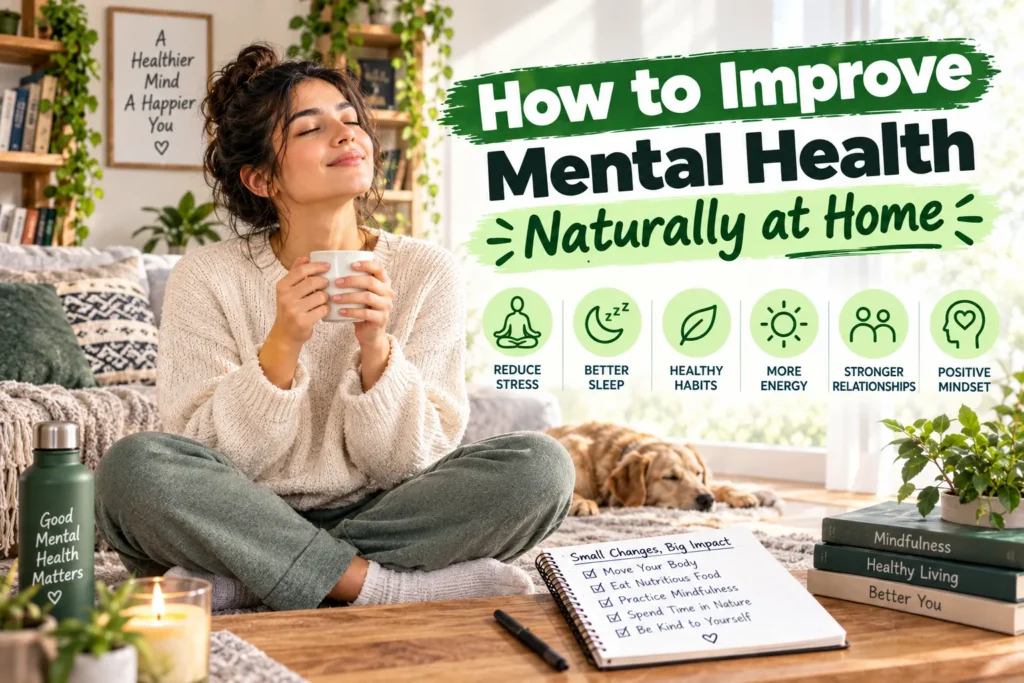
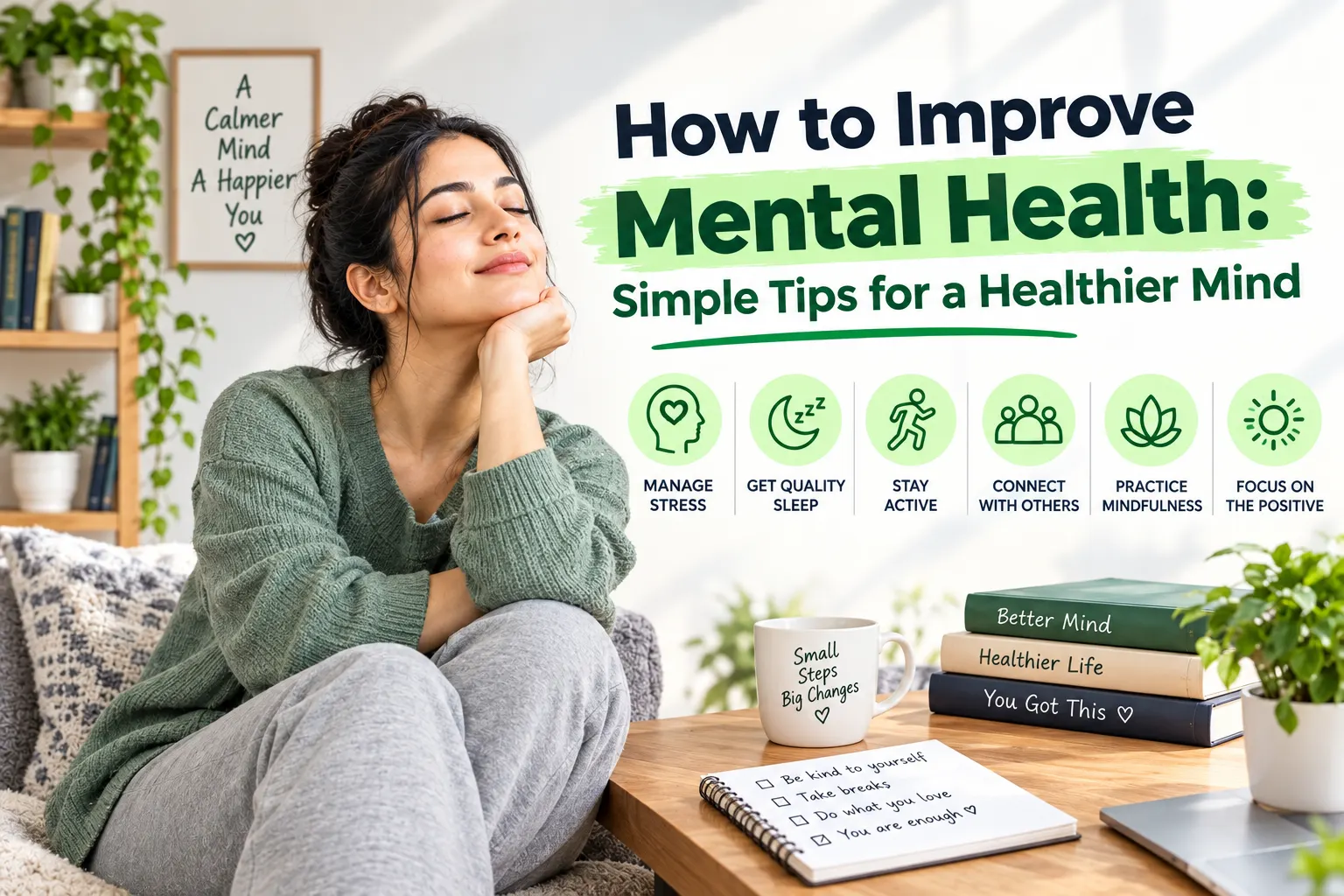
Mental health affects your mood, thoughts, relationships, energy, and ability to handle everyday challenges. Just like physical health, your mental wellbeing needs regular care and attention.
Learning how to improve mental health does not always require major lifestyle changes. Simple habits such as better sleep, regular movement, social connection, and taking time to relax can support a healthier mind.
Build a Daily Routine for Better Mental Health
A consistent routine can make your day feel more organized and manageable.
Try to wake up and go to bed around similar times each day. Include regular meals, physical activity, work or study time, and periods of rest.
A routine can also help reduce the feeling that everything needs to be handled at once.
Start with a few realistic habits rather than creating a strict schedule that becomes difficult to maintain.
Prioritize Quality Sleep
Sleep and mental wellbeing are closely connected.
Poor sleep can leave you feeling tired, irritable, unfocused, and less prepared to deal with daily stress.
Create a relaxing bedtime routine and give yourself enough time to rest.
You can also reduce stimulating activities before bed and keep your sleeping environment comfortable and quiet.
If sleep problems continue regularly, consider discussing them with a healthcare professional.
Use Exercise for Mental Wellbeing
Physical activity is one practical way to support both physical and mental wellbeing.
You do not need to spend hours at the gym. Walking, cycling, stretching, yoga, dancing, and strength training can all provide opportunities to move your body.
Choose an activity that you enjoy and can realistically continue.
Even a short walk can be a useful starting point if you have been inactive.
Start Small and Stay Consistent
Trying to completely change your lifestyle overnight can feel overwhelming.
Instead, begin with manageable goals.
For example, you might take a short walk, stretch for a few minutes, or spend some time outdoors each day.
Consistency is generally more realistic than pushing yourself too hard for a few days and then stopping.
Manage Everyday Stress
Stress is a normal part of life, but ongoing stress can become difficult to manage.
Work, school, relationships, financial concerns, and major life changes can all create pressure.
Finding healthy ways to manage stress can support emotional wellbeing.
Simple strategies may include:
- Taking short breaks during busy days
- Practicing slow breathing
- Spending time outside
- Listening to relaxing music
- Writing down your thoughts
- Limiting unnecessary commitments
- Making time for enjoyable activities
You do not have to eliminate every source of stress. Focus on the areas you can realistically control.
Stay Connected With Other People
Healthy relationships can provide with people you trust, even if it is through a short phone with one person rather than forcing yourself into large emotional support during difficult periods.
Make time to communicate with people you trust, even if it is through a short phone call or message.
If you have been withdrawing from others, start with one person rather than forcing yourself into large social situations.
Talking openly about how you feel can sometimes make problems feel more manageable.
You do not have to handle every difficult experience by yourself.
Practice Mindfulness and Relaxation
Mindfulness involves paying attention to the present moment instead of constantly focusing on past problems or future worries.
Simple breathing exercises can be practiced almost anywhere.
You can also try meditation, gentle yoga, journaling, or a few for every mental health concern, but they may help some people create turn to unhealthy habits when they feel substance use, emotional eating, constant scrolling quiet minutes without your phone.
These practices are not a solution for every mental health concern, but they may help some people create moments of calm during stressful days.
Improve Your Nutrition and Hydration Habits
Food and hydration are also part of a healthy lifestyle.
Regular, balanced meals can help you maintain energy throughout the day.
Try to include a variety of nutritious foods such as fruits, vegetables, whole grains, protein sources, and healthy fats.
Drinking enough fluids is also important for general wellbeing.
Avoid using extreme diets or restrictive eating patterns as a way to manage your emotions.
If you have specific nutritional or medical concerns, a qualified healthcare professional can provide personalized guidance.
Spend Less Time With Unhealthy Coping Habits
People sometimes turn to unhealthy habits when they feel stressed or emotionally exhausted.
Examples can include excessive alcohol use, substance use, emotional eating, constant scrolling, or avoiding responsibilities.
These habits may provide temporary relief but can create additional conversation with someone you trust, physical activity, relaxation, or professional support problems over time.
Instead, look for healthier alternatives that help you deal with the underlying stress.
A conversation with someone you trust, physical activity, relaxation, or professional support may be more constructive options.
Make Time for Things You Enjoy
Mental wellbeing is not only about avoiding stress.
Enjoyable activities can also be part of a balanced lifestyle.
Read a book, listen to music, spend time with a hobby, cook a meal, play a sport, or enjoy time outdoors.
You do not need to be productive every minute of the day.
Allowing yourself time to enjoy simple activities can help create a healthier balance between responsibilities and relaxation.
Set Realistic Goals
Large goals can sometimes create unnecessary pressure.
Break them into smaller tasks that you can complete one step at a time.
Instead of trying to completely change your lifestyle, choose one habit to work on first.
For example, you could focus on improving your sleep schedule this week and then add regular exercise later.
Small progress can be easier to maintain than unrealistic expectations.
When Should You Seek Professional Help?
Lifestyle habits can support mental wellbeing, but they are not a replacement for professional care when someone is struggling significantly.
Consider speaking with a qualified mental health professional if sadness, anxiety, stress, low motivation, sleep problems, or other concerns continue or interfere with your daily life.
You do not need to wait until your symptoms become severe before asking for help.
If you experience thoughts of suicide or self-harm, or feel that you may be in immediate danger, seek urgent help through local emergency services or a crisis service in your area.
Create a Healthier Mind One Habit at a Time
Improving mental health is not about becoming positive all the time or fixing every problem immediately.
It is about developing habits and support systems that help you take better care of yourself.
Prioritize sleep, stay physically active, eat regularly, manage stress, maintain healthy relationships, and make time for activities you enjoy.
Most importantly, recognize when you need additional support.
A healthier mind often begins with small, practical steps that you can continue over time.
Internal Link Suggestions
- Mental Wellness → Mental wellness and healthy lifestyle guide
- Exercise for Mental Health → Exercise and emotional wellbeing guide
- Healthy Lifestyle Tips → Healthy habits for everyday wellness
Frequently Asked Questions
What is the best way to improve mental health?
There is no single method that works for everyone. A combination of healthy habits can support mental wellbeing, including regular sleep, physical activity, balanced nutrition, social connection, stress management, and enjoyable activities. If mental health concerns continue or interfere with everyday life, professional support can also be an important part of improving your wellbeing.
Can exercise improve mental health?
Regular physical activity can support mental wellbeing and may help some people manage everyday stress. You do not need intense workouts to get started. Walking, yoga, cycling, stretching, or strength training can all be practical choices. Choose activities that fit your current fitness level and that you can maintain consistently.
How can I improve my mental health naturally?
Simple lifestyle habits may support better mental wellbeing. Focus on getting adequate sleep, moving regularly, eating balanced meals, staying connected with supportive people, spending time outdoors, and practicing relaxation techniques. These habits can complement professional care but should not be considered a replacement for treatment when significant mental health symptoms are present.